Sewer Line Leak Detection Meridian ID
Find buried leaks before they damage your yard
Sewer Line Leak Detection Meridian ID helps homeowners and property managers find hidden leaks before sewage damages landscaping, soil, or foundations. We inspect the line, locate the problem, and explain the next step in plain language. If you notice a wet patch, sewer odor, or recurring backup, our sewer pipe leak detection Meridian ID service gives you a clear diagnosis instead of guesswork.
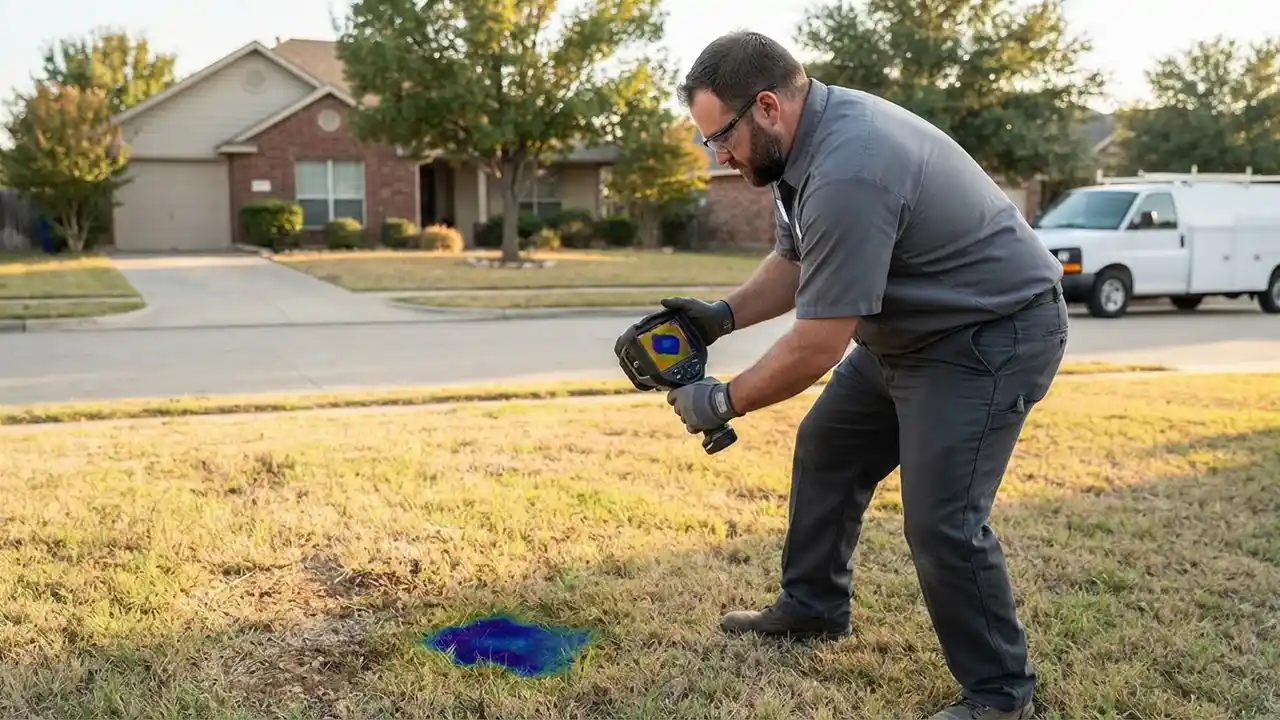
Sewer Line Leak Detection Meridian ID Explained
Sewer Line Leak Detection Meridian ID is a diagnostic plumbing service that locates escaping wastewater from buried sewer pipes when signs such as wet soil, persistent odor, or recurring backups appear. We check accessible cleanouts, run a push camera through the line, and use a sonde locator to map the camera head from above ground. The inspection helps distinguish a leak from a blockage or a low section of pipe. You receive a clear explanation of the observed defect and the practical repair options.
Meridian homes can show sewer trouble as a soft lawn patch, a drain that gurgles after laundry, or an odor that returns after cleaning. Soil movement, tree root intrusion, cracked sewer pipe, and separated sewer lateral connections all warrant a closer look. Our Meridian sewer leak testing follows the symptoms back to the pipe rather than treating each backup as an isolated clog. If you need to detect an underground sewer leak at a Meridian home, a camera inspection and surface locating help narrow the source before excavation.
Clear Answers, Smarter Repairs
A confirmed leak location makes the next decision easier. We show you what the camera reveals, mark the likely defect area, and connect the finding to a repair plan. You get useful information before digging begins, less uncertainty about the cause, and a way to distinguish a damaged pipe from a blockage that needs cleaning.
Pinpoint The Defect
A push camera records the sewer's interior while a sonde locator helps map the camera position above ground. We can identify a crack, offset joint, or separated connection and mark the likely area, often within a few feet when access and pipe conditions allow. That makes sewer pipe leak detection Meridian ID more useful than guessing from a wet spot alone.
Avoid Unneeded Digging
Locating a defect before opening the yard helps keep the repair focused. We use camera footage and electronic locating to narrow the work area, then explain whether a localized repair, lining, or replacement fits the observed condition. You can plan around the actual pipe problem rather than paying to expose a long section without a diagnosis.
Separate Leaks From Clogs
A recurring backup does not always mean the pipe is leaking; grease, roots, or a sag can restrict flow. We inspect the line and describe what the camera shows, so you know whether cleaning, repair, or more testing is appropriate. If a wet yard is the clue, we connect the surface symptom to the underground evidence.
Plan The Right Repair
A useful diagnosis notes pipe material, defect location, and visible condition, which helps match the repair to the line. We explain the difference between repairing one damaged section and addressing repeated failures along a longer run. You leave with a clear next step, not a recommendation based only on the age of your home.
What To Expect During Inspection
Sewer Line Leak Detection Meridian ID follows a straightforward sequence: review the symptoms, access the line, inspect and locate the defect, then discuss the evidence. We keep you informed as the work progresses and show you the findings when the equipment captures a clear view. A straightforward inspection often takes 1 to 3 hours; difficult access or a heavily obstructed line can take longer.
Review Symptoms
We start by asking where you notice odor, damp ground, slow drains, or repeat backups. You can point out when the symptoms occur, such as after several fixtures run or following irrigation. This conversation usually takes 10 to 15 minutes and helps us choose an access point and decide whether a camera pass, flow check, or additional locating is needed.
Access The Sewer
Our technician finds an appropriate cleanout or other service access, then checks that the opening is safe to use. If the line is blocked, we explain whether limited cleaning is needed to let the camera pass. You will see where we are working and what access is required; we protect the immediate work area and keep the inspection focused.
Inspect The Pipe
We guide a push camera through the accessible pipe and watch the sewer inspection monitor for cracks, roots, offsets, standing water, or a possible break. The camera distance counter helps relate the view to the entry point. A clear run can take 30 to 90 minutes, while debris or tight bends can slow progress.
Locate The Finding
When the camera identifies a suspected leak or defect, we use a sonde locator or electronic pipe locator to estimate its position from the surface. We mark the area and explain the limitations if depth, pipe material, or access affects accuracy. You can compare the marked location with the wet ground or other symptoms before deciding on a repair.
Explain Next Steps
We review the video and location with you, explain whether the evidence points to a leak, blockage, or structural defect, and outline suitable repair options. If cleaning or repair is the right next step, we explain how it relates to the finding. You receive a direct recommendation and upfront pricing before any additional work proceeds.
Practical Sewer Diagnostic Expertise
Our local experience includes sewer lines with different materials, access conditions, and failure patterns found around Meridian. We inspect the pipe before recommending a repair and distinguish visible evidence from assumptions. Our technicians work with Idaho plumbing requirements and apply the relevant IPC plumbing code provisions to the work being planned. Where repair design calls for lining, standards such as ASTM F1216 and ASTM F1743 provide technical reference points for applicable methods. We explain what the inspection can establish, what remains uncertain, and how the finding affects your repair choices.
- Camera inspections help identify tree root intrusion, cracks, offsets, and standing water without opening the full length of your yard.
- Surface locating relates a camera or sonde position to a marked repair area, helping you plan access and landscaping work.
- We recognize material differences among PVC sewer pipe, clay sewer pipe, and cast iron pipe when interpreting visible defects.
- Our plumbing work is planned with applicable IPC plumbing code requirements and Idaho contractor requirements in view.
- When a lining option suits the defect, ASTM F1216 and ASTM F1743 provide recognized references for trenchless rehabilitation methods.
Choose Clear Leak Diagnosis In Meridian
You deserve to know why the sewer is causing trouble before the yard is opened. We combine camera evidence, surface locating, and a direct explanation so you can make an informed repair decision. From the first symptom review to the marked finding, our focus stays on your line and the next practical step.
Evidence Before Excavation
We inspect the pipe and locate the suspected defect before recommending digging. The camera view, distance reading, and surface mark give you a more concrete picture of the problem. If the line is simply blocked, we say so; if we see a structural concern, we explain where it appears and how confident the location is.
Useful Video Findings
You can see the sewer inspection monitor as we work and ask questions about what appears on screen. We describe visible features in everyday terms, including roots, cracks, standing water, or joint movement. A clear explanation helps you compare repair choices instead of relying on a vague description of an underground problem.
Local Meridian Service
We work across Meridian, including established neighborhoods and newer developments where pipe materials, access points, and landscaping differ. Our sewer lateral leak inspection Meridian ID service considers the route from the home to the connection, not just the interior drains. That local approach helps connect the property symptoms with the actual sewer layout.
Diagnosis That Guides Action
A leak report is useful only if it helps you decide what to do next. We relate the finding to repair options and explain whether a focused repair, cleaning, or longer-term rehabilitation is appropriate. If you searched how to find a leaking buried sewer line in Meridian, we make the evidence and the next step clear.
What Sewer Leak Detection Includes
Sewer Line Leak Detection Meridian ID includes symptom review, access planning, a camera inspection where the line permits, and surface locating of a visible defect when equipment conditions allow. We explain the findings and likely repair direction. Clearing a severe blockage, excavation, pipe repair, replacement, and trenchless lining are separate work steps because the right solution depends on what the inspection reveals.
What's Included
Symptom And Access Review
We discuss where you see moisture, odor, slow drainage, or repeat backups, then identify a suitable cleanout or access point. This helps focus the inspection and flag obstacles before the camera enters the line.
Interior Camera Inspection
A push camera provides a live view of accessible pipe sections. We look for cracks, roots, offsets, standing water, corrosion, and signs of a collapsed sewer line, while noting any area that cannot be viewed clearly.
Surface Pipe Locating
When the camera or sonde signal is available, we trace its position above ground and mark the suspected defect area. Ground conditions, pipe depth, and signal interference can affect the precision of the mark.
Findings And Repair Guidance
We explain what the inspection shows, where the concern is located, and which repair approaches fit the evidence. You can ask questions while reviewing the findings and receive upfront pricing before added repair work.
Find A Leaking Sewer Pipe Meridian
A sewer leak can stay hidden until a patch of soil remains wet, a foul odor returns, or indoor drains begin backing up. Sewer pipe leak detection Meridian ID helps connect those symptoms to a specific pipe condition. We inspect the line and locate the likely source so you can address the cause before repeated moisture or wastewater exposure worsens the problem.
A persistent wet or unusually green patch above the sewer route
A leaking line can keep soil damp and create odor, soft ground, or localized lawn damage. Continued saturation may complicate access and make it harder to distinguish sewer water from irrigation.
We compare the affected area with the likely sewer route, inspect through an available access point, and locate any camera finding from the surface. A sewer leak diagnosis for a wet yard in South Meridian can help separate a pipe leak from irrigation or drainage issues before repair planning.
Recurring sewer backups despite repeated drain clearing
Repeated blockages can interrupt daily use and point to roots, an offset joint, grease and debris blockage, or a bellied or sagging pipe. Clearing alone will not correct a structural defect.
We run a camera inspection after access is established and identify whether the restriction is caused by removable debris or a damaged section. If the camera shows a structural problem, we locate the area and explain repair options rather than treating each backup as a separate event.
Sewer odor around the home with no visible plumbing leak
Odor near a cleanout or yard can signal a damaged lateral, a loose connection, or wastewater escaping below ground. Ignoring it leaves the source uncertain and may allow contamination to continue.
We inspect the accessible sewer route and look for visible openings, separated joints, or other defects. Where a camera view is inconclusive, we explain what additional access or testing would clarify the source, then recommend a targeted next step based on evidence.
New settling or soft soil along a buried sewer route
Escaping wastewater can wash or soften surrounding soil, while a damaged line can also create uneven support. Changes can affect landscaping and suggest that a pipe needs prompt assessment.
We map the line, inspect the pipe interior, and mark any suspected defect to guide a repair plan. If excavation is needed, the location information helps keep the opening focused and makes it easier to assess the pipe material and surrounding condition.
When To Schedule Leak Detection
A homeowner in South Meridian sees a wet strip across the lawn even when irrigation is off.
We compare the wet area with the sewer route, inspect through a cleanout, and use a locator to mark any camera finding. If the line looks intact, we explain that result and help narrow the next investigation rather than assuming the sewer is responsible.
You get a clearer answer about the source of the moisture and a marked location if the sewer pipe shows a defect, reducing unnecessary disruption to the yard.
A North Meridian home has two or more sewer backups within a month after drain clearing.
We inspect the main line for root intrusion, an offset joint, a sag, or a crack that could repeatedly catch waste. The video helps distinguish a one-time blockage from a defect that needs repair, and locating identifies where the issue sits beneath the property.
You can choose a repair based on the recurring cause, rather than relying on repeated clearing that may restore flow only temporarily.
A property manager in Downtown Meridian receives odor complaints near an exterior cleanout.
We check the cleanout and accessible sewer line, document visible defects, and locate a suspected leak or separated connection. We also note access limitations and explain whether additional testing is needed to confirm a finding before repair.
The manager receives a specific account of the observed condition and a practical next step, helping coordinate access and repair with less uncertainty for occupants.
A homeowner in Old Town Meridian notices a soft patch near mature trees and a sewer route.
We inspect for roots, cracks, and displaced joints, then use a locator to relate the finding to the surface. If roots are present, we explain whether removal could restore flow or whether pipe damage calls for a more durable repair.
You learn whether roots are only obstructing the line or have entered through a damaged section, which helps avoid repeating a temporary cleaning without addressing the entry point.
Inspection Tools And Methods
Tools & Equipment
Push Camera
We feed a compact camera through an accessible sewer line to view the interior and record visible cracks, roots, offsets, standing water, or blockages. The live image helps us explain the finding while you can follow along.
Crawler Sewer Camera
For suitable larger or accessible pipe sections, a crawler sewer camera can travel farther while providing a stable view. Its use depends on pipe diameter, entry access, and whether debris or water prevents safe passage.
Sonde Locator
A sonde locator detects a signal from compatible camera equipment and helps us trace the camera position above ground. We use the signal to mark a suspected defect area and discuss how depth and soil conditions affect accuracy.
Electronic Pipe Locator
An electronic pipe locator helps trace a compatible line or signal path across the property. Combined with camera distance readings, it supports a more useful surface map for repair planning and limits guesswork about the sewer route.
RIDGID Inspection Equipment
RIDGID camera and locating equipment can support interior viewing and surface tracking on compatible sewer inspections. We select equipment according to access, pipe condition, and the type of information needed to diagnose your line.
Methods & Techniques
Camera-Based Visual Diagnosis
We inspect the sewer from an accessible entry point and interpret the video for signs of leakage, structural failure, or obstruction. Camera evidence is strongest when the lens can pass the affected area and the pipe is clear enough to see. We identify viewing limits rather than presenting an unclear image as a confirmed diagnosis.
Camera And Surface Correlation
A distance counter estimates how far the camera has travelled, while a sonde signal can help locate its position from above ground. We compare these readings with the property layout and mark the likely area. Accuracy depends on access, signal strength, depth, and the pipe's route.
Repair Standard Review
If inspection findings support trenchless lining, we consider whether the pipe shape, access, and defect type suit the method. ASTM F1216 and ASTM F1743 are relevant standards for certain cured-in-place rehabilitation processes. We connect the standard to the proposed work rather than treating a standard reference as proof that every line can be lined.
How Leak Detection Works In Meridian
Meridian properties range from older homes with established trees to newer developments with different pipe layouts and landscaping. That variety affects access, pipe material, and how we plan a camera route. In colder months, including October through winter, frozen surface conditions can make locating and excavation planning more involved; spring irrigation and seasonal watering can also make a wet patch harder to interpret. Our sewer lateral leak inspection Meridian ID starts by comparing the symptom with the likely pipe path, then checks the line from an accessible cleanout. If you need sewer pipe leak inspection in Meridian, Idaho, we use camera evidence and locating to separate a sewer defect from irrigation or surface drainage concerns. We serve properties across Ada County and plan repair work with applicable Idaho plumbing requirements and the IPC plumbing code in mind. In established areas, tree roots and aging joints deserve attention; in newer areas, access points and route records can shape the inspection. You will see what we find and where it appears before choosing a repair.
Service Areas
Older service routes and established landscaping can make cleanout access and tree-root checks important. We locate the line before recommending any opening in a yard or paved area.
Large landscaped lots and active irrigation can complicate wet-ground diagnosis. We compare the suspected sewer route with the camera finding to help distinguish pipe leakage from watering.
Property layouts and sewer access vary between homes and developments. We identify a workable entry point first, then tailor the camera route to the line's condition.
Mature trees and older pipe sections can increase the need to inspect joints for root entry or separation. Surface locating helps focus any repair planning.
Local Considerations
Seasonal irrigation can create damp ground along buried utility routes
A wet lawn is not automatic proof of a sewer leak, especially during active watering. We compare the location and timing of moisture with camera evidence and the sewer path before identifying a likely cause.
Cold October-to-winter weather can harden exposed ground
Frozen or firm surface soil can make locating marks and any later excavation more difficult to interpret. We still inspect from available access and explain how surface conditions affect the accuracy of marking and repair planning.
Mature landscaping can conceal root-related pipe defects
Roots may enter through a cracked or separated joint and trap waste, leading to repeat backups. A camera inspection helps show whether roots are present and whether the pipe itself needs repair after cleaning.
Wet Lawn, Located Sewer Leak
A homeowner noticed a damp patch along the side yard that stayed soft after irrigation was shut off. The sewer route was uncertain, and the visible moisture covered more ground than the suspected pipe area. Without inspection, digging would have risked opening the wrong section and disrupting healthy landscaping.
We inspected through the cleanout, found a visible joint defect on camera, and used a locator to mark the likely area within a few feet under workable signal conditions. The homeowner had a clear repair target and could plan a focused opening instead of exposing the full side yard.
Maintenance & Follow-up
Keep irrigation schedules and sewer symptoms separate in your notes, and watch the marked area after repair. If dampness returns or drains begin backing up, arrange a follow-up inspection rather than assuming the original defect is the only possible cause.
A Meridian household had several backups over six weeks, with flow returning after each clearing but slowing again. The repeated pattern suggested more than a simple drain blockage. No one had yet inspected the buried line to see whether a root mass, offset joint, or sag was catching waste.
The camera showed root intrusion at a damaged joint and standing water beyond it. We located the section and explained why clearing alone would not close the entry point. The customer could compare a targeted repair with longer-term options using the observed defect, not a guess based on the backup symptoms.
Maintenance & Follow-up
Pay attention to the interval between backups and keep a record of which fixtures are affected. A sewer inspection after repeated stoppages can reveal whether the cause has changed or whether a repaired section needs additional attention.
A property owner in Old Town Meridian noticed sewer odor near an exterior cleanout but saw no indoor leak. Cleaning the area did not resolve the smell, leaving uncertainty about whether the source was the cleanout, a connection, or a buried section of the lateral.
We inspected the accessible line and found a separated connection visible on camera, then marked its location from the surface. The owner received an explanation of the observed condition and a repair direction. The diagnosis narrowed the concern from an odor across the yard to a specific sewer connection.
Maintenance & Follow-up
Keep the cleanout cap secure and note whether odor returns after repair or after heavy water use. If the smell persists, check for a new symptom and arrange another assessment so the source can be confirmed rather than masked.
Sewer Leak Detection FAQs
Have questions? We have answers. If you don't see your question here, feel free to contact us.
Call UsHow can I tell if my sewer line is leaking in Meridian?
A sewer leak often shows up as persistent wet soil, sewer odor, unusually lush grass, or recurring indoor backups. These signs are clues, not confirmation, because irrigation and drainage can create similar moisture. We inspect the accessible sewer line with a camera and use a locator when a defect appears. For sewer line leak detection Meridian ID near me, share when symptoms occur and where you notice them so we can focus the inspection.
How much does sewer leak detection cost in Meridian ID?
A straightforward camera inspection and locating commonly costs $180 to $450 in 2026, with added charges possible if the line needs clearing or access work. The final price depends on the cleanout, pipe length, blockage, and locating conditions. We explain the cost before additional work. Repair, excavation, replacement, and lining are separate because the price depends on the defect and the method needed to correct it.
Can a camera inspection find an underground sewer leak?
Yes, a camera inspection can reveal visible cracks, separated joints, root entry, or other defects that may allow wastewater to escape, but a camera cannot confirm every leak under every condition. Debris, standing water, tight bends, or poor access can limit the view. We combine the camera image with distance readings and surface locating when possible, then explain what the evidence confirms and what remains uncertain.
Can a sewer leak cause a wet or smelly yard?
Yes, wastewater escaping from a buried sewer line can leave damp soil or create a persistent foul odor, especially near the pipe route. Irrigation, drainage, or another plumbing issue can cause similar signs, so the location alone is not proof. We inspect the sewer and use a locator to relate any visible defect to the yard. A wet patch that remains after watering stops deserves prompt investigation.
Credentials And Local Standards
Certifications
Customer Reviews
A homeowner in Meridian described a wet area beside the lawn that had stayed damp after the sprinklers were off. The crew inspected the sewer, showed a damaged joint on camera, and marked the location. The homeowner said the explanation made it easier to plan a focused repair instead of digging along the whole yard.
A North Meridian resident had repeat backups after clearing the drains. The inspection found roots at a damaged connection, and the technician explained why another cleaning would not fix the entry point. The resident appreciated seeing the camera view and receiving a clear repair direction.
An Old Town Meridian property owner called about sewer odor near an exterior cleanout. The team inspected the accessible pipe, located a separated connection, and explained the next step in straightforward terms. The owner valued having a specific finding rather than a guess based on the smell.
Related Sewer Services
Explore our other professional services
Emergency Sewer Line Repair
When a confirmed leak is causing active sewage exposure or a serious backup, emergency repair addresses the damaged section. We use the inspection finding to focus the response and identify whether the line needs immediate repair, cleaning, or another corrective step.
Emergency Sewer Line RepairSewer Line Replacement
Replacement may be the practical choice when inspection reveals extensive deterioration, collapse, or multiple failing sections. Leak detection helps establish the affected route and condition so you can compare replacement with a localized repair or lining option.
Sewer Line ReplacementTrenchless Sewer Line Repair
A localized defect may suit trenchless repair when the pipe condition and access allow it. The camera diagnosis identifies the problem area, while locating helps plan the work. We explain whether trenchless repair is appropriate for the observed pipe and site.
Trenchless Sewer Line RepairTrenchless Sewer Line Replacement
If a line needs replacement but open excavation would disturb substantial landscaping or hardscape, trenchless replacement may be an option. Leak detection and locating help map the route and show where the existing pipe has failed before a replacement approach is selected.
Trenchless Sewer Line ReplacementSewer Pipe Bursting
Pipe bursting replaces a damaged buried sewer pipe by pulling a new pipe through the existing route while displacing the old line. A camera inspection first helps confirm the failure and assess whether the route and surrounding conditions suit this method.
Sewer Pipe BurstingSewer Pipe Lining
Lining can rehabilitate a pipe from within when its condition and shape are suitable. Leak detection reveals cracks or joint defects that may support this option, and the inspection helps determine whether the line needs cleaning or repair before lining.
Sewer Pipe LiningSewer Line Camera Inspection
Camera inspection is the core diagnostic step for identifying visible defects inside a sewer. We review the video with you, note the camera distance, and use locating when possible to connect the interior finding with a surface repair area.
Sewer Line Camera InspectionSewer Line Locating
Sewer line locating traces the route or camera position from above ground to help plan access and repair. Paired with leak detection, it can mark a suspected defect and reduce unnecessary digging across a yard, driveway, or landscaped area.
Sewer Line LocatingSewer Line Root Removal
Root removal clears growth that has entered or obstructed the sewer, but it does not always repair the opening roots used to enter. Detection shows whether the pipe is also cracked or separated, helping you decide if cleaning alone is enough.
Sewer Line Root RemovalSewer Line Repair for Bellied Pipes
A bellied pipe holds wastewater in a low section and can repeatedly catch debris. Camera inspection identifies standing water and helps locate the sag. We use that evidence to discuss a repair that corrects the underlying grade or damaged section.
Sewer Line Repair for Bellied PipesSewer Line Repair for Cracked or Broken Pipes
A camera can show a cracked or broken section and help locate it for focused repair planning. We explain whether the defect appears localized or part of broader deterioration, then connect the finding with a repair or replacement option.
Sewer Line Repair for Cracked or Broken PipesSewer Line Repair for Tree Root Intrusion
Roots entering a sewer can create recurring blockages and worsen an existing joint defect. Detection shows where roots appear and whether the pipe is damaged. That distinction helps determine whether root removal, pipe repair, or both are needed.
Sewer Line Repair for Tree Root IntrusionSchedule Sewer Line Leak Detection Meridian ID
If your yard is wet, a sewer odor keeps returning, or backups are becoming frequent, we can inspect the line and explain what the evidence shows. Our Idaho-registered plumbing team serves Meridian and marks suspected defects when conditions allow. Call 208-568-8003 to arrange sewer leak detection.