Sewer Line Repair for Bellied Pipes Meridian ID
Restore sewer flow and stop recurring backups at home
Sewer Line Repair for Bellied Pipes Meridian ID corrects a low section where wastewater settles instead of flowing toward the main. If your Meridian home has slow drains, gurgling fixtures, or repeated sewer backups, our team locates the sag, explains the repair, and tests the line after the work. We also provide sewer pipe belly repair Meridian ID homeowners can use to address standing water before it leads to a blockage or pipe damage.
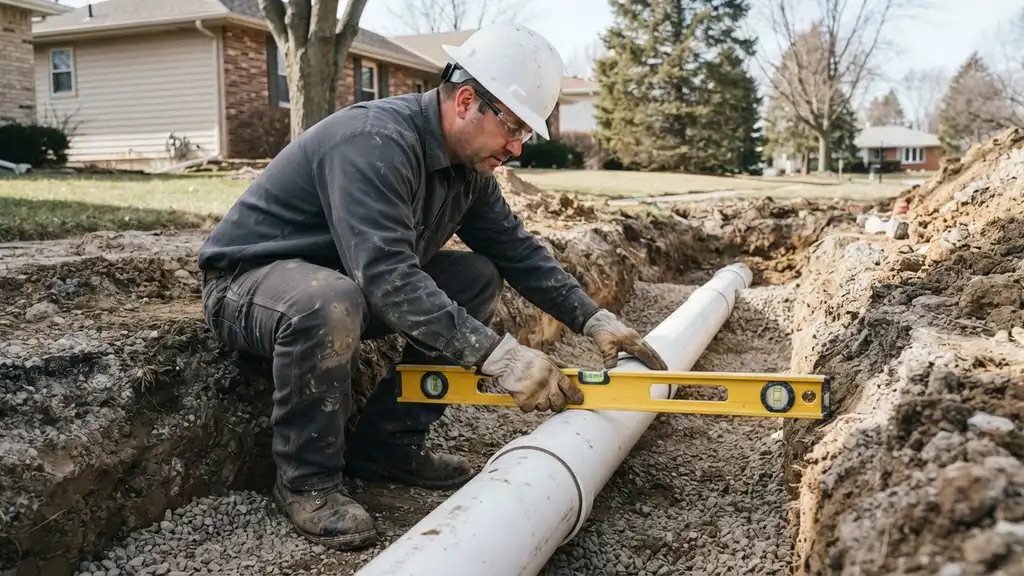
Sewer Line Repair for Bellied Pipes in Meridian
Sewer Line Repair for Bellied Pipes Meridian ID is a sewer lateral repair service that corrects a sagging section where wastewater and solids collect instead of draining by gravity. We first inspect the pipe with a push camera or crawler sewer camera, then use a sonde locator to mark the affected section and depth. Once we confirm the pipe's condition, we explain whether excavation, a localized pipe correction, or another repair method fits the site. The work is completed with the goal of restoring the intended slope and verifying flow rather than simply clearing the symptom.
In Meridian, a low spot can become more noticeable when everyday household wastewater meets a line already holding water, grease, or debris. Repeated backups, slow drainage across several fixtures, or a camera view showing standing water are reasons to investigate rather than keep scheduling cleanouts. Our local team serves homes throughout Ada County and can repair a sewer pipe with standing water in Meridian after locating the sag and checking for related issues such as offset pipe joints, tree root intrusion, or a cracked sewer pipe.
Benefits You Can Measure
A corrected sewer belly addresses the cause of recurring drainage trouble, not just the blockage that appears at a floor drain or cleanout. We inspect the line, show you where wastewater is collecting, and explain the repair before work starts. Afterward, a camera and flow check help confirm the repaired section is draining as intended.
Fewer Repeat Backups
A sagging section traps solids and creates a recurring obstruction point. By correcting the low area instead of relying on another temporary clearing, we help reduce the cycle of slow drains and sewer backups. Our camera check documents the affected section, and the final flow test confirms whether wastewater passes through the repaired area.
Clear Diagnosis First
You see the evidence before choosing a repair. A sewer inspection monitor displays the pipe interior, while a locator helps identify the sag's position below the yard or driveway. We distinguish a true belly from grease and debris blockage, root intrusion, or an offset joint, so the recommended work addresses the actual defect.
Repair Matched to the Pipe
The correct method depends on the pipe material, depth, access, and length of the low section. We assess whether a localized correction is practical or whether replacement is the durable option. That avoids treating every sag as the same job and helps you understand why excavation or a trenchless method is being recommended.
Verified Drainage After Work
We do not stop once the ground is restored. Our team runs water through the line and checks the repaired area with a camera when access allows. You receive a clear explanation of the result, including whether the pipe is flowing freely and what maintenance steps can help protect the repair.
What to Expect During Repair
Sewer Line Repair for Bellied Pipes Meridian ID follows a clear sequence: inspect, locate, select the repair, complete the work, and verify drainage. Your technician explains what each step means and keeps the work area focused on the affected lateral. A straightforward inspection often takes about 1 to 2 hours; repair duration depends on access, depth, and the length of pipe that needs correction.
Review Symptoms
Sewer Line Repair for Bellied Pipes Meridian ID begins with your observations: which fixtures drain slowly, how often backups occur, and whether the problem follows heavy water use. We check accessible cleanouts and ask about prior clearing or repairs. This conversation usually takes 10 to 20 minutes and helps us plan the camera route without guessing at the cause.
Inspect the Lateral
We feed a push camera or crawler sewer camera through an accessible cleanout and watch the sewer inspection monitor for standing water, cracks, roots, or displaced joints. The inspection often takes 30 to 60 minutes, depending on line length and condition. You can see the footage as we explain where the pipe loses its grade.
Locate the Low Spot
After identifying the belly, we use a sonde locator and electronic pipe locator to mark its position and estimate depth. That information helps us avoid unnecessary digging and plan access around landscaping, paving, or utilities. We explain the repair area and method in plain language before the repair work begins.
Correct the Section
Our technicians expose or access the affected pipe, remove the sagging section when needed, and reset or replace it at a workable grade. A localized repair may take several hours; a longer or deeper section can require a full workday or more. We protect the work area and keep you informed as the repair progresses.
Test and Restore
We run water through the repaired line, check for normal movement, and use the camera again where access permits. The final check looks for retained water, leakage, or a remaining obstruction. We then restore the disturbed area and review the result with you, including practical steps for preventing grease and debris blockage.
Practical Sewer Repair Expertise
Bellied sewer lines demand more than a drain clearing: the pipe's grade, material, depth, and surrounding ground all affect the repair. Our team uses camera evidence and locating equipment to plan work around the actual defect, then selects materials and methods suited to the line. We follow applicable IPC plumbing code requirements and OSHA excavation safety requirements during relevant work. For trenchless lining options, ASTM F1216 and ASTM F1743 are relevant standards for evaluating certain cured-in-place methods; lining is not a substitute for correcting every structural sag. We explain the findings and the limits of each repair before proceeding.
- Camera inspection distinguishes a belly from a blockage, cracked sewer pipe, collapsed sewer line, or separated sewer lateral before repair planning.
- Locating equipment marks the line's route and depth, helping focus excavation and reduce disruption to paving, planting beds, and access paths.
- Our technicians consider whether PVC sewer pipe, ABS pipe, cast iron pipe, or clay sewer pipe changes the repair approach.
- Repair planning accounts for nearby utility routes, access points, soil conditions, and applicable OSHA excavation safety requirements.
- We check flow after work and explain camera findings so you know what was corrected and what the line still needs.
A Clear Plan for Your Meridian Sewer
Sewer Line Repair for Bellied Pipes Meridian ID should start with proof of the defect and end with a tested line. We give you a direct explanation of the camera findings, the repair choices, and the work sequence. You can make an informed decision without confusing a temporary clearing with a permanent correction.
Diagnosis Before Digging
We inspect and locate the low area before opening the yard. A camera shows the pipe interior; a locator marks where the defect sits underground. That evidence helps keep the repair focused and gives you a chance to understand why a particular section needs attention, rather than paying for broad exploratory digging.
Repair Based on Pipe Condition
A small, accessible sag is not the same as a long, collapsed section. We consider pipe material, the amount of standing water, nearby joints, and access before recommending work. If the pipe is too damaged for a localized repair, we explain why replacement or another service is the more appropriate route.
Local Service, Straight Answers
Our Meridian team works across Ada County and discusses the actual conditions at your property, including whether access crosses a driveway, landscaped area, or foundation-side path. For sewer pipe sag repair Meridian customers receive a clear diagnosis, a practical repair plan, and a post-work flow check.
Results Checked on Site
After the repair, we run water and inspect the line again where access allows. If you searched for a bellied sewer line plumber in Meridian, Idaho, you need more than a promise that the blockage is gone. We show what changed and explain any remaining concern visible in the pipe.
What Bellied Pipe Repair Includes
Sewer pipe belly repair Meridian ID begins with confirming the low section and identifying related damage. The core work covers inspection, locating, repair planning, correction of the affected pipe, and a final flow check. If the inspection finds extensive collapse, roots, a long damaged run, or a separate leak, we explain the related work needed and how it differs from correcting the belly.
What's Included
Camera Condition Check
We inspect the accessible lateral for standing water, sagging, cracks, root intrusion, and offset joints. The camera evidence helps determine whether the problem is isolated or connected to a larger failure, and it gives you a visual basis for the repair recommendation.
Pipe Route and Depth
A locator marks the affected section so the repair can target the low point. Knowing the route and approximate depth helps us plan access near a yard, hardscape, or other site feature rather than opening an unnecessarily large area.
Localized Pipe Correction
When conditions support a focused repair, we expose the affected section, correct the grade or replace the damaged portion, and reconnect the line. The method depends on pipe material, soil support, access, and the length of the sag.
Flow and Camera Verification
We test drainage after the repair and review the repaired section with the camera when access permits. This check helps confirm that wastewater moves through the line and that the original standing-water problem has been addressed.
Work-Area Restoration
For repairs requiring excavation, we backfill and restore the disturbed area as agreed for the job. Surface restoration needs vary with paving, planting, and access conditions, so we explain the affected area and the planned finish before work proceeds.
Problems Behind Standing Sewer Water
A low sewer lateral can make everyday drainage unreliable, particularly when solids settle in the same section after each flush or wash cycle. If you need to fix a sagging sewer lateral in North Meridian, camera inspection helps determine whether the belly is the only defect or one part of a larger pipe failure. We match the repair to what the footage shows.
Recurring sewer backups return after repeated drain clearing.
Clearing can reopen a passage temporarily, but wastewater still settles in a sag. Solids collect again, increasing the chance of another backup and disrupting bathrooms, laundry, or kitchen use.
We inspect the line to find the retained water and identify the length and depth of the sag. After locating it, we explain whether a localized section can be reset or replaced. We then test the line so you can see whether the correction restored movement instead of just removing the current obstruction.
Slow drains and gurgling occur across multiple fixtures.
When several fixtures behave poorly at once, a main lateral restriction is more likely than a single sink trap issue. Delaying diagnosis can leave wastewater standing in the pipe and make household drainage unpredictable.
Our camera inspection follows the accessible sewer lateral and checks for standing water, grease and debris blockage, roots, or offset joints. We use a locator to mark the area and recommend the repair that addresses the observed cause. If the belly is present, we correct the low section and verify flow.
A camera shows standing water in a sound-looking pipe.
A pipe can appear intact yet still hold wastewater because its grade has shifted. Persistent pooling provides a place for paper and solids to collect, which can lead to repeated service calls.
We measure the affected span and assess whether the pipe support or a damaged joint caused the low point. Repair may involve exposing and resetting a short run, or replacing a longer section where the pipe has lost support. A final camera check confirms the repaired span drains more effectively.
A sunken yard strip follows the sewer lateral route.
A surface depression can reflect soil movement or a leaking, damaged sewer line, though it does not prove a belly by itself. Leaving a confirmed leak untreated can worsen ground saturation and undermine nearby surfaces.
We inspect the pipe and check for leakage, cracks, or a separated joint before selecting a repair. If excavation is needed, we expose the confirmed defect, correct or replace the affected section, and restore the work area. We also test the line before closing the repair.
When to Schedule a Sewer Repair
A North Meridian homeowner clears the cleanout twice in a month, but backups return after laundry loads.
We inspect the lateral with a camera and identify whether standing water is collecting in a sag or whether a blockage, root intrusion, or offset joint is responsible. After locating the defect, we explain a targeted correction and test the line with water after the repair.
You get a repair aimed at the recurring cause, not another cycle of clearing alone. Normal household drainage can resume after the line passes the post-repair flow check.
A home near Old Town Meridian has slow drainage at several fixtures and a camera shows a low section.
Our technician records the camera findings, marks the affected span, and checks the pipe material and access. We determine whether resetting a short section is practical or whether a longer replacement is needed, then coordinate the repair around the location of the lateral.
You understand what is happening below ground and why the selected repair fits. The final inspection checks for retained water and confirms the repaired section is moving wastewater.
A property owner in South Meridian notices a soft or sunken strip above the sewer route after recurring backups.
We inspect for a belly, leakage, or a separated joint rather than assuming the surface change has one cause. Once the defect is located, we plan the access and repair, follow applicable excavation safety requirements, and check the line before restoring the disturbed area.
You get a documented diagnosis and a repair focused on the confirmed pipe condition. The work also helps address drainage trouble while reducing the risk of leaving a damaged section underground.
Tools and Repair Methods
Tools & Equipment
Push Camera and Sewer Monitor
A push camera sends live video through an accessible cleanout, letting you and our technician see standing water, pipe damage, roots, and joint offsets on the inspection monitor.
Crawler Sewer Camera
For suitable pipe sizes and access, a crawler sewer camera moves along the line to inspect longer sections and document changes in grade or condition that a quick drain clearing cannot reveal.
Sonde Locator
The sonde locator helps us trace the camera head from the surface and mark the sewer route and defect location, supporting more focused access planning around landscaping and paved areas.
Root-Cutting Drain Machine
If roots or debris obstruct inspection, a root-cutting drain machine can open a passage for camera access. Clearing is diagnostic preparation; it does not correct a structural belly by itself.
Hydro Jetter
A hydro jetter can remove grease and debris that obscure the pipe interior when conditions are appropriate. We use cleaning to improve inspection or restore flow, then assess whether the underlying low section still needs correction.
Methods & Techniques
Camera-Led Localized Repair
We use recorded camera evidence and locator marks to identify the span that has lost grade. When the damage is limited and accessible, we expose that section, reset or replace it, reconnect the line, and verify flow. The method avoids treating a confirmed structural sag as a routine clog.
Pipe Replacement at the Sag
When a pipe is cracked, collapsed, or too distorted to hold its intended grade, replacement of the affected run may be the durable approach. We assess the material and connections, install a compatible section, and check the finished alignment and drainage before restoring access.
Trenchless Lining Assessment
CIPP resin liner systems associated with ASTM F1216 or ASTM F1743 can address certain pipe defects when the host pipe and site conditions are suitable. A liner follows the existing pipe path; it does not lift a sagging section back to grade, so we confirm that lining actually fits the defect before recommending it.
How Bellied Pipe Repair Works in Meridian
Sewer Line Repair for Bellied Pipes Meridian ID starts with the actual route and condition of your lateral, not a one-size-fits-all assumption about the neighborhood. Meridian properties include different pipe materials, access layouts, and yard or driveway constraints, so we locate the line before deciding how much surface access the repair needs. In Ada County, our technicians follow applicable IPC plumbing code requirements and use safe excavation practices when digging is required. We also consider seasonal ground conditions: October's cooler, wetter weather can affect surface access, while winter freezes and spring moisture can influence scheduling and site protection. If you need main sewer line belly correction Meridian ID, we inspect whether the low spot is isolated or tied to a cracked section, joint separation, or ground movement. For a homeowner searching sewer pipe belly inspection and repair Meridian ID, the camera view, location marks, and final flow test provide a clear sequence from diagnosis to result. We serve Meridian, ID, including properties with cleanouts near landscaping, hardscape, or foundations.
Service Areas
Longer residential laterals and landscaped yards can make accurate locating useful before excavation. We mark the camera-confirmed sag so the repair can focus on the affected span.
Older properties can have varied pipe materials and access points. We inspect the actual line rather than assuming a specific material or repair method based only on the home's age.
Driveways, planting beds, and other finished surfaces can shape the access plan. Camera locating helps identify the low section before we choose how to reach it.
For homes with established yards and buried laterals, we check the route and depth before opening the ground, then restore the work area after testing the repaired pipe.
Local Considerations
Cool October rain and winter freeze-thaw can change surface access.
Wet or frozen ground affects excavation conditions and how the work area is protected. We assess the site before digging and plan the repair so pipe bedding and backfill support the corrected section.
Landscaping and hardscape can limit access to a low lateral.
A belly beneath a driveway or mature planting area needs careful route locating and repair planning. Camera and locator findings help us narrow the access point and explain surface impacts before the work begins.
Mixed pipe materials require a repair matched to the existing line.
PVC, ABS, clay, and cast iron have different connection and repair considerations. We identify the material where possible and select compatible components so the corrected section connects securely with the remaining lateral.
Backups Stop Returning
A Meridian household had a sewer backup every few weeks, usually after several loads of laundry. Previous drain clearing restored flow briefly, but a camera showed standing water across a low section of the lateral. Solids repeatedly collected there, and the homeowner had no clear explanation for why the obstruction kept returning.
We located the sag, exposed the affected span, and corrected the section before testing the line. The repair took most of a workday because of access and depth. The final camera check showed a clear passage with no pooling across the repaired run, and water moved through during the flow test.
Maintenance & Follow-up
Keep grease, wipes, and heavy food debris out of household drains, and watch for slow drainage across multiple fixtures. If backups return, schedule a camera check rather than relying on repeated clearing, which cannot restore a pipe's grade.
A homeowner in North Meridian noticed gurgling at a downstairs fixture and slow drainage from two bathrooms. Camera footage showed a shallow belly without a visible collapse, but wastewater remained in the same section after use. The line had not been evaluated beyond routine clearing.
We marked the low span with a locator and confirmed the pipe condition before choosing a localized correction. The crew completed the repair in several hours, then ran water and rechecked the pipe. The camera showed the standing-water area had been corrected and the lateral carried flow through the repaired section.
Maintenance & Follow-up
Avoid pouring cooking grease into the drain and use sink strainers to limit food debris. Pay attention to gurgling or slow drainage that affects more than one fixture; early inspection helps identify a developing sag before another backup.
A property owner near Old Town Meridian saw a soft depression above the sewer route and had experienced one indoor backup. The surface condition alone could not confirm a leak or a belly, so the homeowner needed the pipe inspected before deciding whether excavation was necessary.
Our camera inspection found a low, damaged section with a leaking joint. We located the route, replaced the affected span, and tested drainage before restoring the ground. The repair addressed the confirmed pipe defect rather than relying on surface appearance, and the final check showed flow through the repaired line.
Maintenance & Follow-up
Keep the cleanout accessible and note any new settling, wet patches, or recurring backups near the sewer route. These signs do not prove a pipe failure, but prompt camera inspection can distinguish a surface issue from a sewer leak or sag.
Frequently Asked Questions
Have questions? We have answers. If you don't see your question here, feel free to contact us.
Call UsWhat is a bellied sewer pipe in Meridian?
A bellied sewer pipe in Meridian is a section of lateral that has sagged below its intended grade and holds wastewater instead of draining fully. The low area can collect solids and contribute to recurring backups. We confirm it with a sewer camera, then locate the section and check for cracks or displaced joints. A belly is a structural slope problem, so clearing the pipe alone does not correct it.
How much does sewer pipe belly repair cost in Meridian ID?
Sewer pipe belly repair in Meridian ID can range from about $250 for inspection or limited work to $8,000 or more for difficult excavation and replacement. Typical 2026 pricing depends on depth, length, pipe material, surface restoration, and related damage. We inspect the line, locate the low section, and give you upfront pricing before repair work starts. A camera diagnosis helps distinguish a belly from a blockage that needs a different service.
Can a sagging sewer line cause repeated backups?
Yes, a sagging sewer line can cause repeated backups because water and solids collect at the low point instead of moving downstream. The risk rises when grease, paper, or debris builds up in the standing water. If your drains back up again after clearing, we inspect the lateral with a camera and locate the affected span. Correcting the pipe's grade addresses the cause; another clearing alone may only restore flow temporarily.
Does a bellied sewer pipe need repair or replacement?
A short, stable sag may need a localized correction, while a collapsed, cracked, or extensively displaced pipe often needs replacement. The camera inspection shows the length and condition of the affected section, and a locator helps plan access. For a repair a sagging sewer pipe Meridian homeowners need, we match the method to the pipe material and site. Lining does not lift a sag back to grade, so it is suitable only for defects it can actually address.
Credentials and Customer Care
Certifications
Customer Reviews
Our sewer kept backing up after it had been cleared twice. The technician showed us the camera view and explained the low section in plain language. After the repair, they ran water through the line and showed us the final inspection. We appreciated knowing what was wrong before the yard was opened.
We had slow drains in several rooms at our North Meridian home and did not know if it was a clog or a pipe issue. The team located standing water in the lateral, repaired the affected section, and checked the flow before leaving. The explanation was clear from start to finish.
A soft spot in the yard and a sewer backup made us worried about a major line failure. The camera inspection found a damaged low section, and the crew showed us where it was before starting. They tested the repair and left the work area in good order.
Related Sewer Services
Explore our other professional services
Emergency Sewer Line Repair
A severe backup or active sewer leak needs prompt attention, especially when fixtures cannot drain. We inspect the line, identify whether a belly contributes to the emergency, and explain the repair needed to restore safe use. Emergency work may address the immediate failure before a longer-term correction.
Emergency Sewer Line RepairSewer Line Replacement
Replacement is appropriate when a bellied section is collapsed, extensively damaged, or too long to correct reliably in place. We use camera findings to identify the affected run and explain how replacing it differs from repairing a localized sag.
Sewer Line ReplacementTrenchless Sewer Line Repair
Some sewer defects can be repaired through limited access points, reducing surface disruption. A trenchless method must fit the pipe's condition; it cannot simply lift every low spot to grade. We inspect the belly and surrounding line before recommending this option.
Trenchless Sewer Line RepairTrenchless Sewer Line Replacement
When the existing lateral needs replacement, a trenchless approach may reduce the amount of surface excavation if site conditions and pipe routing allow it. We locate the line and assess the sag, damaged sections, and access before discussing suitability.
Trenchless Sewer Line ReplacementSewer Pipe Bursting
Pipe bursting replaces an existing sewer line by pulling a new pipe through the old route, where conditions permit. It may suit a failed or extensively bellied lateral, but access, utilities, and the line's layout matter. We assess those factors first.
Sewer Pipe BurstingSewer Pipe Lining
A liner can address certain cracks or leaks inside a structurally suitable pipe. It follows the existing pipe shape, so it does not restore the slope of a sagging section. Our camera inspection determines whether lining is appropriate or replacement is needed.
Sewer Pipe LiningSewer Line Camera Inspection
Camera inspection shows whether standing water comes from a belly, blockage, root intrusion, or damaged joint. We use the footage to explain the defect and make a repair plan based on the actual condition rather than symptoms alone.
Sewer Line Camera InspectionSewer Line Locating
Locating equipment marks the sewer route and helps identify the position and depth of a camera-confirmed low spot. This information supports focused access planning, especially when a lateral passes near hardscape or landscaping.
Sewer Line LocatingSewer Line Leak Detection
A leaking joint or cracked section can accompany a sagging sewer line and contribute to wet ground or settling. We inspect the pipe and locate the source before explaining whether leak repair and belly correction need to be handled together.
Sewer Line Leak DetectionSewer Line Root Removal
Roots can enter joints and obstruct a low section where debris already collects. Root removal may clear the passage for inspection or restore temporary flow, but it does not correct the belly. We check the pipe afterward to identify the lasting repair.
Sewer Line Root RemovalSewer Line Repair for Cracked or Broken Pipes
A crack or break in a bellied line may require replacing the damaged span rather than correcting grade alone. Camera footage helps distinguish a structural break from standing water, and we plan a repair that addresses both confirmed conditions.
Sewer Line Repair for Cracked or Broken PipesSewer Line Repair for Tree Root Intrusion
Roots can enter sewer joints and worsen recurring backups in a sagging line. We identify the root entry point, clear access as needed, and determine whether joint repair, pipe replacement, or a separate belly correction is required.
Sewer Line Repair for Tree Root IntrusionSchedule Sewer Line Repair in Meridian
Recurring backups deserve a diagnosis that reaches the pipe defect. Our Meridian team uses camera inspection and locating equipment to identify a bellied section, explain the repair, and test drainage afterward. Call Sewer Plumbing Pros at 2085688003 to arrange your inspection and discuss the next step.