Trenchless Sewer Line Replacement Meridian ID
Replace damaged sewer pipe with less disruption
Trenchless Sewer Line Replacement Meridian ID gives homeowners a practical way to address a failing buried sewer without opening a long trench across the yard. At Sewer Plumbing Pros, we inspect the line, locate the damage, and explain whether trenchless sewer replacement Meridian ID fits your pipe and property. This service is for Meridian households facing recurring backups, leaks, root intrusion, or a collapsed section and wanting a clear route to a durable repair.
Trenchless Sewer Line Replacement Meridian ID
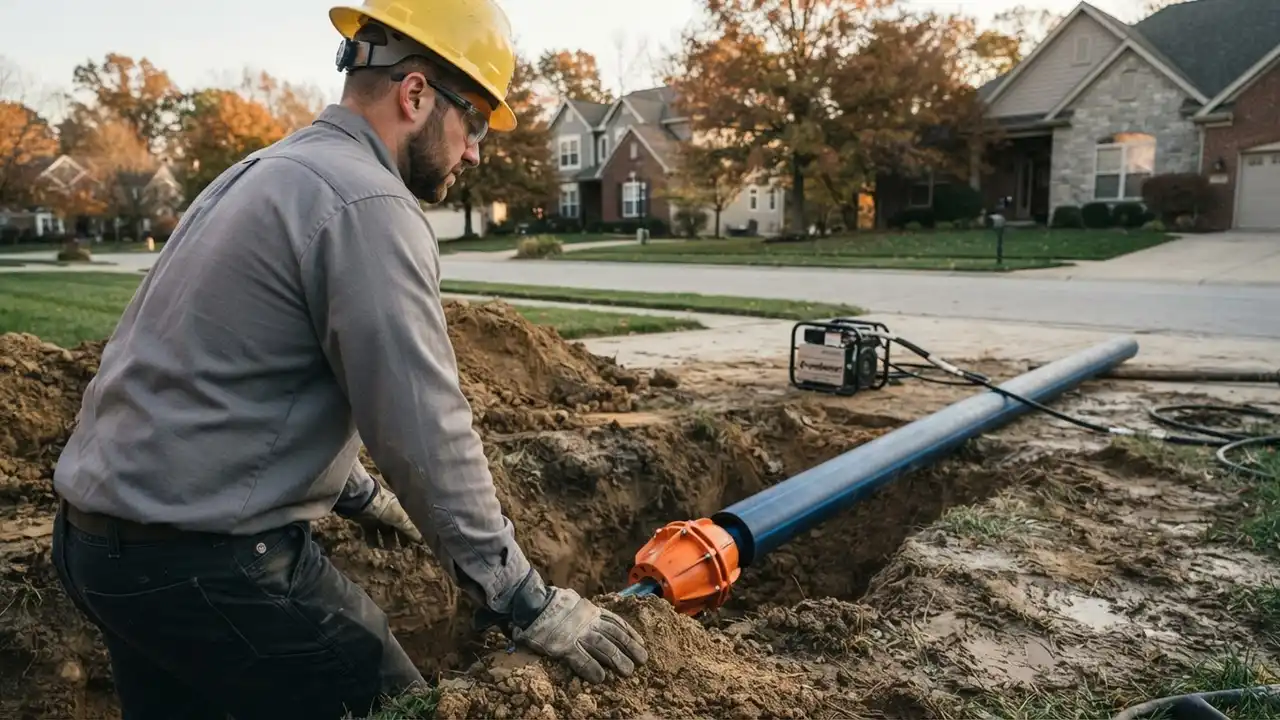
Trenchless Sewer Line Replacement Meridian ID is a sewer rehabilitation service that renews or replaces a damaged underground sewer pipe through small access points when the pipe and site conditions allow. We begin with a camera inspection and locate the affected section, then choose pipe lining or pipe bursting based on the pipe's condition, alignment, and required flow capacity. A liner forms a new interior surface inside a sound, suitably shaped host pipe; bursting draws a replacement pipe through the old line. The method can reduce surface excavation, but it does not eliminate access work or suit every failure.
Meridian homeowners call us after recurring sewer backups, tree root intrusion, a cracked sewer pipe, or a leaking lateral disrupts daily routines. Older sections of town can have aging clay sewer pipe or cast iron pipe, while landscaping, patios, and driveways make a long open trench disruptive. We inspect before recommending a method and explain whether a trenchless replacement for an old sewer line in South Meridian is appropriate. Camera evidence helps distinguish a repairable crack from a collapsed, badly offset, or bellied pipe that needs excavation.
Less Disruption, Stronger Sewer Flow
Trenchless replacement is designed to restore wastewater flow while limiting disturbance to the parts of your property that do not need to be opened. We match the method to the failure, explain the access points, and test the completed line so you know what changed. The right choice depends on inspection findings, not a promise that every sewer can be renewed without digging.
Preserve More Landscaping
Pipe lining or bursting usually works through limited access pits rather than a continuous trench, helping protect established lawn, planting beds, and hardscape. The amount of excavation depends on pipe depth, alignment, and access. For low-excavation sewer line replacement Meridian homeowners get a plan based on camera and locator findings, with any necessary surface work identified before the equipment arrives.
Address Repeat Backups
A new interior liner or replacement pipe can remove the damaged section that catches waste, roots, and debris. We confirm the line's flow after installation and check that connections remain open. If you have had several backups in a few months, a camera inspection can show whether the cause is a localized obstruction or a structural failure requiring replacement.
Choose the Right Method
Lining and pipe bursting solve different problems. A CIPP resin liner needs a host pipe that can hold its shape, while bursting replaces the old pipe and can accommodate a new diameter when the route permits. We review pipe material, bends, depth, and condition so you can compare a trenchless option with conventional excavation.
Plan Around Your Routine
Many residential projects take one to three working days, depending on length, access, and curing or reconnection needs. We explain when household water use must pause and when the sewer can return to service. That schedule helps you prepare without assuming every installation follows the same timeline.
What to Expect During Service
Trenchless sewer replacement in Meridian follows a clear sequence: inspect, locate, select a method, install, and verify. We tell you what we see before recommending work, then protect access areas and keep you informed through each stage. A straightforward residential installation often takes one to three days, while complex access or pipe conditions can add time.
Inspect the Line
We access a cleanout or suitable opening and run a push camera or crawler sewer camera through the line. The monitor lets us identify roots, cracks, offsets, standing water, and obstructions, while recording the pipe's route and condition. Inspection commonly takes 30 to 90 minutes, depending on length and blockage. You can see the findings and ask questions before we discuss replacement.
Locate the Defect
A sonde locator or electronic pipe locator traces the camera head from above ground, helping mark the route and depth of the affected section. We check access points, nearby utilities, and surface features before planning an entry or receiving pit. This step helps limit unnecessary digging and clarifies whether the pipe's bends or depth allow a trenchless method.
Select the Method
We compare pipe lining and pipe bursting against the actual defect. A liner suits a host pipe that remains sufficiently intact and correctly aligned; bursting is considered when the old pipe needs replacement along a workable route. We explain material options, access requirements, expected downtime, and any code-related work. You receive one upfront price for the agreed work before installation starts.
Install the Replacement
For lining, we clean the pipe and install a resin-saturated liner that cures in place. For bursting, a pipe bursting machine fractures the old pipe outward while drawing in the replacement. Installation time often ranges from several hours to a full workday, with total project duration commonly one to three days. We keep the work area organized and tell you when the sewer is temporarily unavailable.
Test and Review
After installation, we inspect the finished line with a camera, confirm flow, and check connections and cleanouts. We review the completed route and explain any care recommendations, such as avoiding items that do not belong in a sewer. You get a clear account of the work performed and the result before we wrap up.
Trenchless Sewer Expertise
Our local experience covers residential sewer diagnosis, replacement planning, and the practical differences between lining and bursting. We base recommendations on camera evidence, pipe condition, and access rather than assuming trenchless work is always suitable. Our team understands Idaho plumbing contractor registration requirements and the need to follow applicable IPC plumbing code provisions. We also consider OSHA excavation safety requirements when access pits are needed. You can expect a direct explanation of the method, the disruption involved, and how we verify flow after the work.
- We use camera findings to distinguish a localized crack from a collapsed sewer line, offset joints, or a bellied section.
- We assess whether the existing pipe can support an epoxy pipe liner or needs full replacement by pipe bursting.
- We plan excavation areas with underground route location and OSHA excavation safety requirements in mind.
- We account for applicable IPC plumbing code requirements when sizing, connecting, and testing replacement sewer pipe.
- We explain the difference between a temporary blockage clearing and a structural replacement that addresses recurring failure.
Why Choose Our Meridian Trenchless Team
Trenchless Sewer Line Replacement Meridian ID should start with proof of the problem and end with a verified result. We show you the inspection findings, explain why a method fits, and keep the work focused on the failed section. Call our Meridian team to discuss a backup, leak, or aging sewer lateral and arrange an inspection.
Diagnosis Before Replacement
We do not recommend replacement from symptoms alone. A camera inspection helps identify whether roots, grease and debris blockage, corrosion, or a structural break is driving the problem. You see where the issue sits and how extensive it is, giving you a reasoned choice between cleaning, spot repair, lining, bursting, or excavation.
Method Matched to Pipe
The best method depends on pipe material, shape, access, and damage. We assess whether a liner can restore a sound host pipe or whether bursting is more appropriate for a separated or extensively damaged section. That distinction matters: choosing the wrong process can leave the underlying failure unresolved.
Meridian-Focused Planning
Our team plans around local yards, driveways, mature landscaping, and the route from the home to the sewer connection. For no-dig sewer replacement in Meridian, Idaho, we locate the line and discuss access before equipment setup. You get a practical plan for the property, not a one-size-fits-all diagram.
Clear Project Updates
We explain when the sewer will be out of service, what work happens each day, and how we will test the line. If you are asking, "can my damaged sewer pipe be replaced without excavation in Meridian?", we use inspection evidence to answer for your specific pipe and property.
What Trenchless Replacement Includes
Your trenchless project includes the diagnostic and installation steps needed to determine a suitable method and confirm the result. We review access and explain any required pit work before proceeding. Added work such as extensive root removal, a new cleanout, utility relocation, or conventional excavation for an unsuitable section is discussed as a distinct scope, so you understand what the chosen approach covers.
What's Included
Camera Condition Assessment
We inspect the sewer interior and document the location and type of damage, including cracks, roots, offsets, or standing water. This establishes whether lining or bursting is feasible and gives you a baseline for comparing options.
Route and Access Locating
We trace the pipe route and mark access areas using locating equipment. Knowing the line's approximate path and depth helps plan entry points, protect nearby surfaces, and avoid unnecessary excavation during the replacement.
Method and Material Selection
We select pipe lining or bursting based on host-pipe condition, route geometry, required diameter, and connection details. We explain the installation sequence and expected interruption so you know how the sewer will be restored.
Installation and Flow Check
The agreed replacement is installed through planned access points, followed by a camera review and flow check. We verify that the renewed route is open and explain what was completed before returning the work area to normal use.
Closeout Guidance
We review the completed work, identify any connected components that need attention, and share practical sewer-use guidance. If inspection shows a section is unsuitable for trenchless methods, we explain the alternative needed for a complete repair.
Problems Trenchless Replacement Can Solve
Trenchless replacement addresses structural sewer failures that keep returning after routine clearing. If a low-disruption sewer replacement in Meridian, Idaho is a priority, the first step is confirming whether the pipe can support a liner or accept a new pipe by bursting. We use the inspection to connect the symptom to the right repair.
Tree roots repeatedly enter through cracked or separated joints
Roots catch paper and waste, narrowing the pipe and triggering recurring backups. Repeated cutting may restore flow briefly but leaves the entry point open, so the obstruction can return.
We inspect the affected section and locate root entry points. If the pipe structure and route suit a trenchless method, lining seals the interior or bursting replaces the failed pipe. We verify the finished line with a camera so you can see that the damaged section has been addressed, rather than relying on a temporary clearing.
A cracked sewer pipe leaks beneath a driveway or landscaped yard
Wastewater can escape into surrounding soil, while displaced ground and persistent odors signal a problem that should not be left to worsen. Open excavation across finished surfaces can add restoration work.
We locate the leak and inspect the pipe to determine whether the surrounding structure is stable enough for lining. Where it is not, pipe bursting may provide a replacement through limited access pits. We explain the surface access required and test the line after installation.
Corroded cast iron or aging clay pipe causes recurring clogs
Rough interiors and failed joints collect debris, slow discharge, and increase the chance of backups at toilets, tubs, or floor drains. Clearing alone cannot restore a deteriorated pipe wall.
We use camera footage to judge the length and severity of deterioration. A suitable host pipe may receive a liner; a pipe with extensive collapse or alignment problems may require bursting or excavation. Our recommendation focuses on restoring a continuous, usable sewer route.
A sagging or offset sewer section holds wastewater
A bellied or sagging pipe leaves standing water that catches solids and can cause persistent odor or repeated blockage. A liner does not correct every grade or alignment defect.
We identify the low point and measure the affected area through inspection and locating. If the grade failure prevents proper flow, we explain why excavation and regrading may be required instead of promising a trenchless fix. The goal is a functioning line, not simply a new surface inside a faulty route.
When Trenchless Replacement Fits
A South Meridian homeowner sees backups return after repeated root cutting in the same sewer lateral.
We camera-inspect the lateral, locate the root entry, and check whether the pipe remains round and stable. If suitable, we recommend lining to seal the damaged interior or bursting if the pipe needs replacement. We review access and household downtime before work begins.
The homeowner gets a structural solution aimed at the repeated entry point, with less surface disturbance than a full-length open trench when conditions permit.
A driveway crosses the route of a cracked sewer line serving a home in Old Town Meridian.
We trace the route, identify the damaged section, and assess pipe material and depth. Where the alignment allows it, a trenchless installation can pass beneath the driveway from access pits. If a connection or collapsed area blocks that route, we explain the necessary excavation.
The repair plan accounts for the driveway before work starts and avoids removing more paving than the pipe condition requires.
A household in North Meridian has slow drains and a camera shows a deteriorated pipe with root intrusion.
We determine whether the host pipe can carry a liner and whether the affected section can be cleaned for installation. If not, we assess bursting or a targeted open repair. After the chosen work, we inspect the completed sewer and confirm flow.
The household receives a method tied to the actual pipe condition, rather than another short-term clearing that leaves structural damage behind.
A homeowner is renovating a yard and wants the buried sewer assessed before new landscaping goes in.
We inspect and locate the sewer before planting or hardscape work begins. If damage is present, we compare lining, bursting, and excavation based on access and pipe geometry. Completing needed replacement before the yard project can reduce the chance of reopening finished areas later.
The homeowner can coordinate sewer work with landscaping plans and make an informed decision before new surfaces cover the route.
Inspection Tools and Methods
Tools & Equipment
Push camera
We guide a push camera through accessible residential pipe to inspect cracks, roots, offsets, and buildup. Its live image helps us explain the defect and decide whether cleaning, lining, bursting, or excavation is appropriate.
Crawler sewer camera
For suitable larger or longer sections, a crawler sewer camera travels through the pipe and provides a detailed view of its interior. We use the recorded inspection to assess structural condition and confirm the completed replacement.
Sonde locator
A sonde locator tracks the camera's transmitter from the surface, helping mark the sewer route and the position of a defect. That information supports access planning and limits unnecessary digging.
Pipe bursting machine
A pipe bursting machine pulls a replacement pipe through the existing route while breaking apart the old pipe. We use this method when route geometry, soil conditions, and access points make replacement by bursting suitable.
Hydro jetter
A hydro jetter clears suitable lines of grease, roots, and debris before inspection or lining. Cleaning creates a clearer view and prepares the pipe interior, but it does not replace a structurally failed sewer.
Methods & Techniques
Cured-in-place pipe lining
After cleaning and confirming the host pipe is suitable, we install a resin-saturated liner through an access point and cure it in place. The liner forms a continuous interior surface. We follow the applicable installation specifications, including ASTM F1216 where relevant, and verify the finished route by camera.
Pipe bursting
We create access pits, position the bursting equipment, and pull a replacement pipe along the existing route as the old pipe is fractured outward. The method can replace a failing sewer with HDPE pipe where conditions allow. Route bends, utilities, soil, and connection points determine feasibility.
Conventional excavation when required
Trenchless work is not suitable for every pipe. Severe collapse, a substantial grade defect, inaccessible connections, or an unsuitable route can require open excavation. We identify those limits during inspection and explain the repair needed to restore correct flow rather than forcing an inappropriate method.
How Meridian Trenchless Work Is Planned
Trenchless sewer replacement in Meridian starts with the actual route from the house to the connection, not a generic map. In Ada County, homes range from older properties with aging clay or cast iron laterals to newer neighborhoods with different pipe materials and access layouts. We inspect the line, locate the defect, and plan around driveways, patios, irrigation, and mature trees. Cold winter periods can affect exposed work and curing schedules, so we account for weather and site conditions before setting the sequence. We also consider local permit and applicable plumbing-code requirements for the work being performed. For a no-dig sewer replacement in Meridian, Idaho, access pits are still sometimes necessary; the goal is to keep them limited and purposeful. If you are considering a low-disruption sewer replacement in Meridian, Idaho, we can use a camera inspection to establish whether lining, bursting, or excavation best fits the pipe.
Service Areas
Older sewer laterals and established landscaping can make a camera inspection especially useful before replacement. We trace the route and plan access around walks, driveways, and mature planting.
Homes with long private laterals or finished outdoor spaces benefit from early route locating. We assess pipe depth and access before choosing between lining, bursting, and excavation.
Property layouts and utility crossings vary from street to street. We locate the sewer and review nearby obstacles before deciding where equipment and any access pits can safely go.
Aging pipe materials and established hardscape can complicate replacement planning. Camera evidence helps focus the work on the failed section and identify where open access is unavoidable.
Local Considerations
Winter freezes and changing ground temperatures affect exposed access work
Cold conditions can affect excavation, site protection, and material curing requirements. We plan the installation sequence around actual weather and product specifications, and explain any temporary sewer-use limits before work begins.
Mature trees and landscaped yards conceal roots and sewer routes
Roots can enter older joints, while irrigation and planting beds make locating important. We trace the line and inspect root damage before selecting a method, helping limit disturbance to areas that do not need to be opened.
Driveways, patios, and utility crossings constrain access points
A trenchless route can reduce surface removal, but access and alignment still matter. We check the line path, depth, and nearby utilities to determine whether equipment can reach the damaged section safely and effectively.
Recurring Roots in a Side Yard
A Meridian household had three sewer backups over six months. Camera inspection showed roots entering through cracked joints along a 35-foot lateral beneath a side yard. Clearing restored flow for a short time, but the open joints remained, and the family was concerned about losing established plants to a long trench.
After cleaning and confirming the host pipe was suitable, a liner renewed the affected 35-foot section through planned access points. The post-installation camera check showed a continuous interior surface and open connections. The work addressed the root-entry path while avoiding a continuous trench through the planting bed.
Maintenance & Follow-up
Keep wipes, grease, and hygiene products out of the sewer, and arrange an inspection if slow drains return. Avoid planting new trees directly over the marked lateral, and keep the cleanout accessible for future checks.
A property owner noticed recurring slow drains and damp soil near the driveway. Inspection found a cracked, separated sewer section beneath the paved approach. A full trench would have crossed the driveway and required substantial surface restoration, so the owner wanted to know whether a replacement route could use limited access.
The team located the damaged section and confirmed that the route and access points suited pipe bursting. A replacement pipe was pulled through the old route, with access limited to the planned pits. Camera review and flow testing confirmed the repaired sewer was open before the driveway area was restored.
Maintenance & Follow-up
Do not drive heavy equipment over newly restored access areas until the surface work has settled. Watch for renewed odors, wet ground, or repeated slow drains, and call for inspection rather than relying on repeated chemical drain treatments.
A home had slow fixtures and intermittent gurgling despite several drain cleanings. The camera showed a deteriorated clay sewer pipe with rough joints and debris buildup along a 28-foot run. The owners needed a lasting plan before completing a new patio project over part of the route.
After cleaning and confirming the pipe could support lining, the team renewed the 28-foot section and inspected the result. Flow testing showed wastewater moving through the restored route without the previous catch points. The owners were able to coordinate the sewer work before patio construction continued.
Maintenance & Follow-up
Use sinks and toilets for wastewater only, and avoid flushing wipes even when labeled flushable. If more than one fixture backs up or gurgles, arrange a camera inspection to catch a developing issue before it affects the new patio.
Questions About Trenchless Sewer Replacement
Have questions? We have answers. If you don't see your question here, feel free to contact us.
Call UsHow does trenchless sewer line replacement work in Meridian?
Trenchless sewer line replacement renews or replaces a buried pipe through limited access points, commonly in one to three days for a residential project. We inspect the line with a camera, locate the defect, and choose lining or pipe bursting if conditions allow. Lining installs a cured liner inside a suitable host pipe; bursting draws a new pipe through the old route. We finish with a camera check and flow test.
How much does no-dig sewer replacement cost in Meridian ID?
Many residential trenchless replacements cost about $4,000 to $15,000 in 2026, with length, depth, access, and pipe condition driving the final price. A short, accessible lining job can cost less than a deep, long replacement requiring multiple pits or surface restoration. We inspect and locate the line first, then provide one upfront price for the agreed work. Extensive excavation or new connections can change the total.
Can every damaged sewer pipe be replaced trenchlessly?
No; trenchless replacement is unsuitable when severe collapse, major sagging, poor alignment, or inaccessible connections prevent reliable installation. A liner also needs a host pipe that can hold its shape, while bursting needs a workable route and access. We inspect your line and explain the reason if excavation is needed. The assessment answers whether your pipe can be replaced without digging in Meridian or needs another repair.
How long does trenchless sewer replacement take?
Many residential installations take one to three working days, while camera inspection alone often takes 30 to 90 minutes. Cleaning, access-pit work, pipe length, curing requirements, and connection details affect the schedule. We explain when the sewer must be out of service and keep you updated as the work progresses. A difficult route or unsuitable pipe condition can add time or require a different method.
Standards and Accountability
Certifications
Customer Reviews
Our sewer kept backing up, and the camera showed roots in the lateral. The crew walked us through the footage and explained why lining would work for our pipe. They kept us informed during the installation and checked the finished line before leaving. We were relieved to avoid a trench across the whole yard.
We had a cracked sewer section near the driveway and expected a major paving project. The team located the route, explained the access pits, and completed the replacement with much less surface disruption than we feared. They showed us the camera check and explained when we could use the sewer normally again.
After several drain cleanings, we finally had a camera inspection that showed the actual problem. The team explained that our pipe needed replacement rather than another clearing. The work was organized, the updates were clear, and the post-work flow test gave us a straightforward picture of what had been done.
Related Sewer Services
Explore our other professional services
Emergency Sewer Line Repair
A sudden backup or wastewater leak needs prompt diagnosis before damage spreads. We locate the immediate failure, restore safe function where possible, and determine whether trenchless replacement is appropriate for the damaged section. Emergency stabilization and permanent replacement are related but distinct steps.
Emergency Sewer Line RepairSewer Line Replacement
Conventional sewer line replacement is an option when severe collapse, grade failure, or access restrictions make trenchless work unsuitable. We compare excavation with trenchless methods after inspection, so you understand how each approach affects the pipe route, surface access, and restoration.
Sewer Line ReplacementTrenchless Sewer Line Repair
A localized crack or limited defect may need repair rather than full replacement. We inspect the line to determine whether a targeted trenchless repair can restore the affected area, or whether broader deterioration makes replacement the more complete solution.
Trenchless Sewer Line RepairSewer Pipe Bursting
Pipe bursting replaces a failing sewer by pulling new pipe through the old route from access pits. It is useful when the existing pipe needs full replacement and the route permits the equipment. Inspection and locating confirm whether the method fits your Meridian property.
Sewer Pipe BurstingSewer Pipe Lining
Sewer pipe lining installs a new interior surface within a host pipe that remains suitable for rehabilitation. It can seal cracks and certain joint defects without a continuous trench. We inspect first to confirm that the pipe is stable, cleanable, and correctly aligned.
Sewer Pipe LiningSewer Line Camera Inspection
A camera inspection shows the condition, location, and extent of a sewer problem before replacement is selected. We use the footage to identify roots, cracks, offsets, or collapse and to verify a completed trenchless installation. It is the foundation for an evidence-based repair plan.
Sewer Line Camera InspectionSewer Line Locating
Locating traces the buried sewer route and helps mark the defect from the surface. Accurate route information supports access planning, limits avoidable digging, and identifies nearby obstacles before trenchless equipment or excavation is set up.
Sewer Line LocatingSewer Line Leak Detection
Leak detection helps identify wastewater escaping from a buried sewer, especially when damp ground or odors appear without a clear surface break. Once the source is located, we assess whether lining, bursting, or a targeted repair can resolve the leak.
Sewer Line Leak DetectionSewer Line Root Removal
Root removal clears an obstruction and can restore flow, but it does not close the joint or crack where roots entered. We inspect after clearing to determine whether the pipe needs lining or replacement to reduce the chance of recurring intrusion.
Sewer Line Root RemovalSewer Line Repair for Bellied Pipes
A bellied pipe holds wastewater and solids, causing repeated blockage. Camera inspection identifies the low section and its length. Because lining does not correct a failed grade, we explain whether excavation and regrading are required or another method is suitable.
Sewer Line Repair for Bellied PipesSewer Line Repair for Cracked or Broken Pipes
Cracks and breaks can leak waste or let roots enter the sewer. We inspect the damage and check whether the surrounding pipe can support a liner or needs replacement. Trenchless options are compared with excavation based on the defect and route.
Sewer Line Repair for Cracked or Broken PipesSewer Line Repair for Tree Root Intrusion
Roots entering through failed joints can trigger repeat backups after each clearing. We remove the obstruction when appropriate, inspect the entry point, and determine whether lining or pipe bursting can address the damaged section for a longer-lasting result.
Sewer Line Repair for Tree Root IntrusionPlan Trenchless Sewer Replacement in Meridian
Get a clear diagnosis before recurring backups or a leaking sewer cause more disruption. Our team uses camera inspection and route locating to determine whether trenchless replacement fits your pipe, then explains the work and upfront price. Call Sewer Plumbing Pros at 2085688003 to schedule service in Meridian, ID.