Sewer Pipe Lining Meridian ID for Fewer Backups
Repair damaged sewer lines without digging up your yard
Sewer Pipe Lining Meridian ID gives homeowners and property managers a trenchless way to address cracks, root intrusion, and recurring backups. We inspect the line, clear obstructions, and install a fitted liner from an existing access point when the pipe is suitable. Our team serves Meridian, Idaho, with a practical goal: restore dependable flow while disturbing as little of your property as possible.
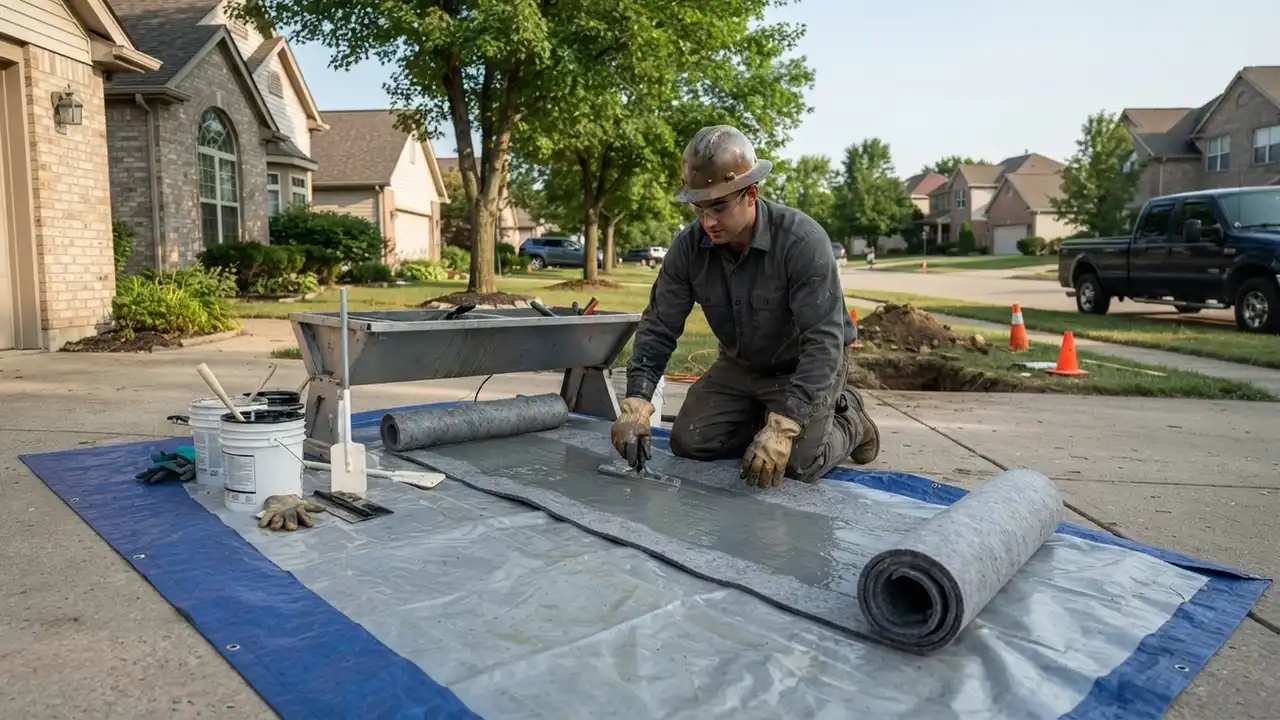
Sewer Pipe Lining Meridian ID Explained
Sewer Pipe Lining Meridian ID is a trenchless pipe rehabilitation method that forms a new, durable interior surface inside a damaged sewer line. We first inspect the pipe, remove roots or debris that would interfere with installation, and prepare the interior. A resin-saturated liner is then positioned within the existing pipe and cured, creating a continuous passage that seals many cracks and leaking joints. The liner does not correct every structural defect: a collapsed section, severe belly, or major displacement may need another repair method.
Meridian homes can experience sewer trouble from tree root intrusion, cracked sewer pipe, corrosion in cast iron pipe, and offset joints. A camera inspection helps us tell whether lining is appropriate before work starts. If you are wondering, "is my old sewer pipe suitable for lining in Meridian?" we assess its material, alignment, diameter, access, and remaining shape. A sewer pipe relining in Meridian, Idaho plan is most effective when the host pipe still provides a continuous route for the liner.
What Lining Changes for You
A successful liner can restore the pipe's function without opening a long trench across your lawn or driveway. We focus on a clear diagnosis, a repair matched to the defect, and a final camera check, so you know what changed and what to monitor.
Less Surface Disruption
Because installation uses existing access points where the layout allows, your lawn, walkways, and landscaping usually need less disturbance than with open-trench replacement. Meridian trenchless sewer liner installation still requires preparation and access, but it avoids excavating the full length of a suitable line. We explain any access openings before work begins.
Sealed Cracks and Joints
A properly fitted CIPP resin liner bridges many cracks and seals leaking joints along the lined section. That helps block soil and roots from entering through small openings. It is not a cure for a collapsed line or a major change in pipe slope, so we verify the condition with a camera before recommending lining.
Fewer Repeat Blockages
Roots and rough, damaged surfaces can catch paper and waste, leading to recurring sewer backups. After clearing and lining a suitable pipe, the smooth interior reduces places where debris can snag. We confirm flow with a post-installation inspection rather than relying on a temporary improvement after drain cleaning.
Keep More of Your Yard
A trenchless repair can preserve planted areas and hardscape above the sewer route, especially when access is available from a cleanout or limited excavation. That can reduce restoration work after the plumbing repair. Your actual result depends on pipe condition, access, and the route beneath the property.
What to Expect During Lining
Sewer pipe lining follows a sequence: diagnose, prepare, install, cure, and verify. We explain what each stage means for your home and how access will work before the crew begins. Many suitable residential projects take one working day, although pipe length, curing method, and preparation affect the schedule.
Inspect the Line
We begin with a push camera or crawler sewer camera to view the pipe from an accessible cleanout. You can see the inspection monitor as we identify cracks, roots, joints, standing water, and changes in direction. A sonde locator helps mark the route and estimate depth, giving us a clearer picture of access and repair options.
Clear and Prepare
Before inserting a liner, we remove material that could block or damage it. Depending on what the camera shows, our crew uses a hydro jetter or root-cutting drain machine to clear grease, debris, or roots. We inspect again after cleaning; if the line is collapsed or badly deformed, we discuss a different repair instead of forcing a liner.
Size the Liner
We measure the affected run and select a liner to fit the pipe's diameter, length, and bends. The installer checks access points and prepares the liner and resin according to the chosen system's instructions. You receive a straightforward explanation of the work area and expected sequence before installation begins.
Install and Cure
The liner is positioned inside the host pipe and expanded against its interior wall, then cured using the method specified for the system. Curing time varies by resin and conditions; many installations require several hours before final inspection. During this stage, we protect the work area and keep you informed about when the line can return to service.
Verify the Repair
After curing, we run the camera through the repaired section to check coverage, connections, and flow. We show you the finished view and explain any remaining concerns, such as a belly outside the lined area. Before leaving, we confirm the line is operating and review practical care steps to help prevent another blockage.
Practical Pipe-Lining Expertise
Sewer Plumbing Pros evaluates each sewer line on its condition, not on a one-size-fits-all repair script. Our local experience covers camera diagnosis, obstruction removal, liner preparation, installation, and post-work verification. We use applicable installation guidance, including ASTM F1216 for inversion and curing methods and ASTM F1743 for pull-in-place systems, where relevant to the selected product. Our team explains what the inspection shows in plain language and recommends lining only when the pipe can support it.
- We inspect the full accessible run before recommending lining, so cracks, roots, offsets, and standing water are documented first.
- Our team distinguishes a liner-suitable cracked pipe from a collapsed sewer line that needs structural replacement.
- We use camera footage and electronic pipe locator readings to connect visible defects with their location on your property.
- We account for pipe diameter, material, bends, cleanout access, and service connections when planning an installation.
- We finish with a camera review and explain the completed repair, remaining limitations, and sensible maintenance steps.
Choose Sewer Pipe Lining Meridian ID
You need a repair recommendation grounded in what is actually inside the pipe. We show you the camera findings, explain whether lining fits the damage, and keep the work focused on restoring flow. If excavation or replacement is the safer choice, we explain why rather than treating lining as the answer to every sewer problem.
Evidence Before Repair
We use a sewer camera inspection to find the defect before proposing a liner. The footage helps identify cracks, intrusive roots, offset joints, and collapsed areas, while a locator can mark the route outside. You get a reasoned recommendation tied to the condition of your line, not just a symptom such as a slow drain.
Repair Matched to Pipe
Different pipe materials and defects call for different methods. A liner can rehabilitate many damaged sections, while a severe belly or collapse may require excavation, replacement, or pipe bursting. We compare the condition, access, and likely disruption so you can choose a repair that addresses the actual cause.
Trenchless When Suitable
Our approach to sewer pipe lining Meridian ID is to preserve your yard where the pipe condition allows. We use existing access where practical, prepare the interior carefully, and check the result with a camera. The amount of digging depends on access, connections, and the structural state of the existing pipe.
Clear Local Guidance
If you need to repair a sewer pipe from the inside Meridian ID, we explain the process in terms of your property's layout and the visible defect. You will know what the liner treats, what it cannot correct, and how long the work is expected to take before installation begins.
What Sewer Pipe Lining Includes
A lining visit covers diagnosis and the work needed to prepare, install, and verify a liner on a suitable sewer section. We identify access and communicate the repair plan before starting. Extensive excavation, replacement of collapsed pipe, correction of a severe belly, and unrelated plumbing work call for a different scope and repair method.
What's Included
Camera Condition Assessment
We inspect the accessible sewer run and document the location and type of damage. The camera view helps distinguish liner-suitable cracks from severe deformation, a collapse, or standing water caused by a belly.
Interior Cleaning
We clear roots, grease, and debris that would obstruct liner placement or prevent proper contact with the pipe wall. The method depends on the blockage and the material being cleaned.
Liner Preparation
We measure the repair section and prepare a liner to match its length and diameter. Preparation includes checking the access route and selecting a system appropriate for the pipe condition.
Liner Installation and Cure
The prepared liner is placed inside the existing pipe and cured to form a continuous interior lining. Cure time varies with the system and conditions, so we explain the expected return-to-service timing.
Final Camera Verification
We inspect the completed section on camera to confirm that the liner is seated and the passage is open. We show you the result and review any defects outside the repaired area.
Problems a Sewer Liner Can Address
Sewer pipe lining is designed for a damaged but sufficiently continuous pipe, not every kind of sewer failure. Our inspection connects symptoms such as repeated backups with visible defects, then identifies whether a liner can seal and reinforce the affected section. These are common reasons Meridian property owners ask us to assess a line.
Small cracks allow roots and soil to enter the sewer line.
Roots can catch waste and grow through openings, narrowing the passage until sinks, tubs, or toilets back up again. Continued infiltration can worsen the pipe damage.
We remove intrusive roots, inspect the cleaned pipe, and determine whether its shape remains suitable for lining. A fitted liner seals many cracks and creates a continuous interior barrier. We verify the repaired section on camera and explain if any root damage or open connection remains beyond the liner.
Aging joints leak and collect debris along the sewer route.
Offset or separated joints can admit soil and roots while creating edges that snag waste. The result is recurring blockage, leakage, or slow drainage that returns after cleaning.
We map the defect and assess whether the pipe is stable enough for a liner to bridge the joint. When it is, we prepare the interior and install a continuous lining across the affected run. If the separation is too severe, we recommend a localized repair or replacement instead.
Corroded cast iron develops rough spots and recurring clogs.
As the interior surface deteriorates, waste catches more easily and repeated cleaning may provide only short-lived relief. Corrosion can also thin the pipe wall and create leaks.
Our camera inspection shows the extent of corrosion and whether the pipe retains a usable shape. We clear buildup and assess lining as an option for a continuous, structurally suitable run. We do not line a section that has collapsed or lost the alignment needed to keep wastewater moving.
Recurring backups continue after roots or debris are cleared.
A temporary opening restores flow but leaves the underlying crack or damaged joint untreated. That defect can catch debris again, putting your household through another blockage.
We inspect after clearing to find the reason the blockage keeps returning. If a crack or joint defect is responsible and the line is suitable, a liner can seal the problem area along the prepared section. For a belly or collapse, we identify the need for a different structural repair.
When Pipe Lining Makes Sense
A Downtown Meridian home has recurring backups, and the camera shows a cracked but continuous sewer pipe.
We clear the line, confirm that the crack is accessible and the pipe remains open, then size a liner for the damaged run. The inspection helps us avoid recommending lining if the camera reveals a collapse or major offset that would prevent a sound installation.
When the pipe qualifies, the liner seals the damaged interior without a full-length trench, and a final camera pass confirms the restored passage.
A property owner in North Meridian sees roots return in the same section after repeated drain clearing.
We remove roots with suitable cutting equipment and inspect the exposed pipe wall. If roots entered through a repairable crack and the route is structurally sound, we install a liner across the affected section to close that entry point.
The repair addresses the opening that let roots in, rather than relying on another temporary clearing of the same blockage.
A South Meridian yard has mature landscaping above a sewer run with leaking joints.
We locate the line, review the joints on camera, and check whether access points support a trenchless installation. A liner can bridge multiple suitable defects along a continuous run, reducing the need to excavate across planted areas.
You get a targeted repair plan that accounts for both the pipe defects and the landscaping you want to preserve.
An older Meridian property has a rough cast-iron line with slow drainage but no complete collapse.
We inspect the pipe's interior and clear buildup before deciding whether lining will fit. The camera assessment checks the bore, joints, corrosion, and alignment so we can distinguish a liner candidate from pipe that needs replacement.
If the existing pipe supports installation, lining creates a smoother interior and helps reduce snag points that contribute to recurring blockages.
Tools and Lining Methods
Tools & Equipment
Push Camera
We guide a waterproof camera through accessible pipe to view cracks, roots, joints, and blockages. The live image lets you see why a sewer line is backing up before we select a repair.
Crawler Sewer Camera
For suitable larger or longer lines, a crawler carries a camera through the pipe and provides a detailed view of its interior. It helps us assess defects and confirm liner coverage.
Sonde Locator
A sonde transmits a signal from the camera head so we can locate the sewer route and estimate the depth from above ground. That information helps plan access and limit unnecessary digging.
Hydro Jetter
We use controlled water pressure to remove grease, sludge, and loose debris before lining. Cleaning exposes the pipe wall so the camera can provide a clearer assessment and the liner can sit against a prepared surface.
RIDGID Inspection Equipment
RIDGID camera equipment supports visual inspection of sewer interiors and helps document defects before and after repair. We use the camera findings to explain the condition of the line and verify the finished section.
Methods & Techniques
CIPP Inversion Lining
A resin-saturated liner is inverted into the existing sewer pipe and expanded against its interior. After curing, it forms a continuous lining through the prepared section. We select the method based on pipe dimensions, access, bends, and the system's installation requirements.
Pull-in-Place Lining
For a localized defect or a route better suited to direct placement, a liner can be pulled into position and expanded at the repair area. The installer confirms the liner's position by camera and follows the chosen system's preparation and curing instructions.
Standards-Based Installation
Where applicable, our planning follows relevant procedures in ASTM F1216 for inversion and curing or ASTM F1743 for pull-in-place lining. Product instructions and site conditions guide the installation. We inspect the result to confirm that the liner covers the intended repair section.
Clean, Line, Verify
Every lining plan depends on a clean and visible host pipe. We remove obstructions, inspect again, install only when the pipe condition supports it, then run a final camera check. This sequence catches unsuitable conditions before installation and confirms the finished passage afterward.
Sewer Pipe Lining Across Meridian
Sewer pipe lining in Meridian, Idaho, starts with the actual route and condition of your lateral, not an assumption about the age of your home. Properties across Ada County have different pipe materials, access points, landscaping, and connections, so we inspect each line before selecting a method. Meridian's seasonal freeze-thaw weather and wet periods can expose existing weak spots, while mature trees can direct roots toward small leaks and joints. Those factors make camera diagnosis more useful than repeated clearing alone. If you are comparing a trenchless sewer relining estimate in Meridian, the inspection should identify the length of damage, pipe diameter, access needs, cleaning required, and whether the line remains suitable for a liner. We use a locator to trace the route and plan access with your yard and hardscape in mind. Our work follows applicable Idaho requirements and product installation guidance. After curing, we check the repaired section on camera and explain any limitations, including defects outside the lined run.
Service Areas
Older properties and established landscaping can make careful route locating useful. We inspect the pipe condition and access before choosing lining over a more disruptive excavation.
Homes with long sewer laterals benefit from camera footage that shows where a crack or root intrusion begins. We use the findings to define the repair section.
Where patios or planted areas sit above the sewer route, a trenchless option can reduce surface disturbance if the pipe remains structurally suitable.
Existing pipe materials and prior repairs can vary from property to property. Inspection helps us identify joints, material changes, and access points before installing a liner.
Local Considerations
Seasonal ground movement can reveal existing cracks and leaking joints.
A camera shows whether a defect is a small opening that a liner can bridge or a larger alignment problem. We check for offset joints and standing water before choosing a repair method.
Mature trees can send roots toward leaking sewer connections.
Roots must be cleared before installation, and the pipe must retain a continuous shape. We inspect after cutting to confirm whether a liner can close the entry point or if the joint needs another repair.
Landscaping and hardscape can restrict direct access to buried lines.
A locator maps the route and helps us plan where access is practical. Existing cleanouts can reduce surface work, while blocked or poorly placed access may require a limited opening.
Recurring Root Intrusion
A homeowner had two sewer backups within a season. The camera showed roots entering through a cracked joint about 24 feet from the cleanout, while the rest of the run remained open. Cutting the roots restored flow temporarily, but the opening remained and continued to catch waste.
After cleaning and confirming the pipe was suitable, we installed a liner across the damaged section and checked it on camera. The final inspection showed a continuous interior through the repaired run, with the root-entry crack covered. The repair avoided a full-length trench across the yard.
Maintenance & Follow-up
Keep grease, wipes, and other non-flushable material out of the sewer. If slow drains or gurgling return, arrange an inspection rather than relying on repeated clearing; a camera can show whether the lined section remains open.
A Meridian property had damp soil above a sewer route and intermittent slow drains. Inspection found a leaking joint and minor debris buildup in an otherwise aligned pipe. The owner wanted to avoid digging through established lawn unless the condition required it.
We cleaned the line, mapped the repair area, and installed a liner over the suitable joint section. A post-cure camera pass confirmed the passage was open and the liner covered the targeted defect. Access work was limited to the points needed for installation.
Maintenance & Follow-up
Avoid planting new trees directly over the known sewer route, and keep a record of the repair location. Promptly investigate renewed wet ground, sewer odor, or repeated slow drainage so any issue is found before it worsens.
A household experienced repeated slow drainage despite several cleanings. Camera footage showed a rough cast-iron interior with buildup-catching areas, but no full collapse and enough open diameter for preparation. The recurring symptoms suggested the pipe surface, not a single removable blockage, needed attention.
We removed loose buildup and rechecked the full accessible run before lining. Once the liner cured, the inspection showed a smoother passage through the treated section. The homeowner could see the repaired area on camera and received a clear explanation of pipe conditions outside that section.
Maintenance & Follow-up
Use normal amounts of water and avoid flushing wipes, paper towels, or grease. Pay attention to changes in drainage, and arrange camera inspection if backups recur; the liner improves the treated section but does not correct defects elsewhere.
Sewer Pipe Lining Questions
Have questions? We have answers. If you don't see your question here, feel free to contact us.
Call UsHow does sewer pipe lining work in Meridian?
Sewer pipe lining cleans the damaged line, places a resin-saturated liner inside it, and cures the liner to form a new interior surface. We begin with a camera inspection, remove roots or debris, and confirm the pipe is suitable. Installation often takes several hours, with many residential jobs completed in one working day. A final camera check shows whether the liner covers the intended section and the passage is open.
How much does sewer pipe relining cost in Meridian ID?
Residential sewer relining in Meridian often ranges from about $3,000 to $12,000 or more in 2026, depending on length, access, cleaning, and pipe condition. A short, accessible section generally requires less material and labor than a long line with heavy root removal. We inspect the pipe and explain pricing upfront. If a collapse or severe belly makes lining unsuitable, we discuss the repair method that addresses that defect.
Can pipe lining fix cracks and root intrusion?
Yes, a liner can seal many cracks and joints after roots are removed, provided the host pipe remains open and structurally suitable. We first clear the intrusion and inspect the pipe wall so roots do not remain between the liner and pipe. A collapsed section, major offset, or severe belly needs another repair. Camera footage lets us show you which condition applies before we recommend a method.
How long does a cured-in-place sewer liner last?
A properly installed cured-in-place liner is designed for a service life measured in decades, often cited at 50 years or more under suitable conditions. Actual lifespan depends on installation quality, resin system, pipe preparation, use, and the condition of the surrounding line. We follow the selected product's requirements and verify the finished section on camera. The liner does not protect untreated sections elsewhere in your sewer lateral.
Credentials and Standards
Certifications
Customer Reviews
The camera showed roots entering a cracked section under our lawn. The team explained why a liner was appropriate, cleared the pipe, and showed us the completed repair on screen. Our drains have been moving normally since the work, and we appreciated knowing exactly where the problem had been.
We had repeat backups in our Meridian home and expected the yard to be dug up. The inspection found a damaged joint in a pipe that was still open. The crew lined that section, checked it afterward, and explained what the camera could and could not confirm.
Our old sewer line was slow even after it had been cleared more than once. Sewer Plumbing Pros inspected the cast-iron section and talked us through the lining option. The work took the day, and the final camera view made it easy to understand the repair.
Related Sewer Services
Explore our other professional services
Emergency Sewer Line Repair
An active backup or sewage release needs prompt diagnosis and containment. We locate the immediate failure, restore safe function where possible, and determine whether a suitable damaged section can be lined or requires a different repair. The camera findings guide the next step.
Emergency Sewer Line RepairSewer Line Replacement
Replacement is appropriate when a sewer line has collapsed, lost alignment, or deteriorated beyond what a liner can address. We compare the damaged area with the rest of the route and explain whether replacement or lining better fits the pipe's structural condition.
Sewer Line ReplacementTrenchless Sewer Line Repair
Trenchless repair uses limited access to address suitable sewer defects without excavating the full line. Pipe lining is one option within this approach. We inspect the pipe and select a method based on damage, access, material, and whether the existing route remains open.
Trenchless Sewer Line RepairTrenchless Sewer Line Replacement
When the old pipe cannot support lining, trenchless replacement may install a new pipe through a limited number of access points. We assess the route and surrounding conditions, then explain how replacement differs from creating a liner inside the existing sewer.
Trenchless Sewer Line ReplacementSewer Pipe Bursting
Pipe bursting replaces a failing sewer by breaking apart the existing pipe while pulling a new pipe into its path. It is considered when lining will not correct structural failure. We assess access, route, and nearby utilities before recommending this alternative.
Sewer Pipe BurstingSewer Line Camera Inspection
Camera inspection identifies the location and type of sewer damage before lining. We use the footage to assess cracks, roots, joints, and collapses, then repeat the inspection after work to show the completed section and confirm flow.
Sewer Line Camera InspectionSewer Line Locating
Locating traces the buried sewer route and identifies a defect's approximate position and depth. That information helps us plan access for lining and avoid unnecessary excavation. We use locator readings alongside camera footage, not as a substitute for inspecting the pipe.
Sewer Line LocatingSewer Line Leak Detection
Leak detection helps identify suspected sewer leakage, including damp areas, odors, or recurring problems that are not visible indoors. Once we locate the affected section, a camera inspection determines whether lining can seal the defect or another repair is needed.
Sewer Line Leak DetectionSewer Line Root Removal
Root removal clears growth that blocks the sewer and prepares a suitable pipe for possible lining. Cutting roots restores a passage but does not close the opening that let them enter. We inspect the pipe afterward and explain whether a liner can seal that entry point.
Sewer Line Root RemovalSewer Line Repair for Bellied Pipes
A belly is a low section where wastewater and solids can collect. Lining does not correct the pipe's slope, so we inspect standing water and alignment before recommending a method. Repairing the belly addresses the cause of repeated pooling and blockage.
Sewer Line Repair for Bellied PipesSewer Line Repair for Cracked or Broken Pipes
Cracks in a continuous, stable pipe can often be candidates for lining, while a broken or collapsed section may require replacement. Camera inspection shows the damage and its extent. We match the repair to the structure rather than treating every break with a liner.
Sewer Line Repair for Cracked or Broken PipesSewer Line Repair for Tree Root Intrusion
Root intrusion usually points to an opening at a crack or joint. We remove the roots, inspect the pipe, and determine whether lining can close the entry point. If the joint is severely displaced or the pipe has collapsed, we explain the appropriate alternative.
Sewer Line Repair for Tree Root IntrusionSchedule Sewer Pipe Lining Meridian ID
Recurring backups, root intrusion, or a suspected sewer crack deserve a clear diagnosis. Our team uses camera inspection to determine whether lining fits your pipe and explains the repair before work begins. Call Sewer Plumbing Pros at 2085688003 to arrange a Meridian sewer inspection.