Sewer Line Locating Meridian ID: Find Your Line
Know the route before repairs, planting, or excavation
Sewer Line Locating Meridian ID helps you find the buried route before a repair, fence post, landscaping project, or excavation puts it at risk. We locate residential sewer lines for Meridian homeowners and property managers, then mark the route and explain what the findings mean. Our sewer pipe locating Meridian ID service combines camera observations with electronic signals so you can plan the next step with clearer information.
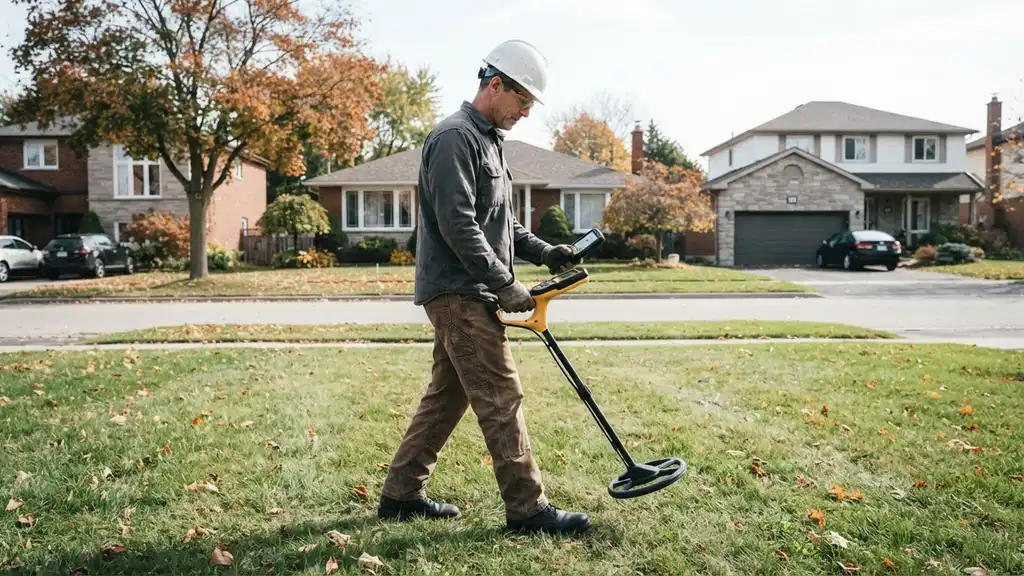
Sewer Line Locating Meridian ID Explained
Sewer Line Locating Meridian ID is a diagnostic plumbing service that identifies the route and accessible location of an underground sewer pipe before excavation, repair, or construction. We feed a push camera with a sonde transmitter into an accessible cleanout, follow its signal with an electronic locator, and mark the line above ground. The camera view also helps connect the route to visible pipe conditions, such as a blockage or offset joint. Locating is not a repair; it gives you a practical map for safer, more focused work.
Meridian homeowners call us when a recurring backup needs investigation, a yard project is about to start, or a suspected sewer lateral is not shown clearly on property records. In Ada County, older and newer properties can have different access points, pipe materials, and landscaping obstacles. Our Meridian underground sewer line locating work helps you locate a buried sewer pipe before digging in Meridian, reducing guesswork around patios, driveways, mature trees, and utility corridors.
Clear Marks, Better Decisions
Finding the pipe before digging helps you avoid exploratory trenches and make a repair plan based on the actual route. We explain what we can trace, mark the accessible path, and connect the result to your next step, whether that is inspection, repair, or excavation.
Dig In The Right Place
Accurate surface marks help your contractor focus excavation where the sewer line runs instead of opening a broad section of lawn. A located route can reduce unnecessary disturbance to sod, planting beds, and hardscape. We document visible access points and signal limits so you know where the marked path is reliable.
Plan Repairs With Context
Camera footage and locator readings give you a clearer picture of where a concern sits along the pipe. If we find tree root intrusion or an offset joint, you can discuss a targeted repair rather than treating the entire line as a mystery. The result is a more informed conversation about scope and equipment.
Protect Yard Projects
Before installing a fence, tree, irrigation feature, or patio, identifying the sewer route can help prevent a costly strike. We mark the line in visible sections and explain where access or signal conditions limit confidence. That information supports planning alongside required utility-locate procedures.
Reduce Repeat Guesswork
If backups return after clearing, knowing where the line travels makes follow-up diagnosis more direct. Our team relates the camera position to the surface mark and notes the approximate distance from the access point. You leave with a clearer starting point for the next inspection or repair.
What To Expect During Locating
Sewer Line Locating Meridian ID follows a straightforward sequence: identify access, inspect and trace the pipe, mark findings, then review options with you. Many accessible residential appointments take about 1 to 3 hours; heavy blockage, limited access, or complex routes can extend the visit. We keep you informed as the work progresses.
Review The Concern
Our technician starts by asking what you have noticed: recurring backups, wet ground, a planned excavation, or an unclear lateral route. We look for cleanouts and review available property details with you. This first step usually takes 10 to 20 minutes and helps us choose an access point without disturbing your yard unnecessarily.
Check Pipe Access
We inspect the cleanout or other suitable entry and assess whether the pipe is open enough for a camera. If standing water, grease, or debris blocks the route, we explain the limitation before proceeding. Clearing a blockage is a separate operation, and we discuss that option when it is needed to trace the line.
Inspect And Trace
We guide a push camera and sonde through the accessible pipe while monitoring its position above ground. The camera helps us see the pipe interior; the locator follows the sonde signal to establish the surface route. A straightforward run often takes 30 to 90 minutes, depending on distance, bends, and pipe condition.
Mark The Route
As we trace the signal, we place visible marks along the line and identify accessible direction changes or areas of concern. Signal readings are interpreted with the camera position, not treated as a perfect map in every condition. You can follow the marked route with us and ask questions as we work.
Review Next Steps
We summarize the route we could trace, the access point used, and any camera observations relevant to your concern. If a repair or further inspection is appropriate, we explain the options and the information still needed. Before we leave, you know where the marks are and how to use them for planning.
Practical Sewer Locating Expertise
Sewer Line Locating Meridian ID calls for more than following a signal: the technician must relate camera distance, pipe direction, access conditions, and surface readings. Our team brings local experience to residential sewer routes and explains what the equipment confirms versus what requires excavation or further inspection. We use locating as part of a careful diagnostic process, not as a promise that every hidden pipe can be traced through every obstruction. Our technicians work with applicable Idaho plumbing contractor registration requirements and follow safe work practices around excavation planning.
- We pair camera distance readings with sonde signals to connect the interior pipe position to visible marks above ground.
- Our team recognizes how roots, grease, collapsed sections, and standing water can interrupt camera travel or locator readings.
- We explain the difference between tracing a private sewer lateral and locating public utility infrastructure.
- We assess accessible PVC sewer pipe, cast iron pipe, and clay sewer pipe without assuming every material produces identical conditions.
- We coordinate locating findings with repair planning while observing applicable plumbing requirements and OSHA excavation safety requirements.
Choose Clear Sewer Line Locating
Sewer Line Locating Meridian ID should leave you with usable information, not a string of technical terms. We show you the marks, explain how we traced them, and relate the findings to your property concern. You stay involved throughout the appointment, from choosing an access point to reviewing repair possibilities.
Equipment Matched To The Job
We select a camera and locator setup based on access, pipe size, and the reason for the visit. A push camera with a sonde can reveal the camera's approximate position at the surface, while a crawler sewer camera suits some larger or longer accessible runs. We explain which method fits your line before tracing.
Findings You Can Follow
You can see where we place marks and hear what each reading means as the route develops. We note the cleanout used, approximate traced distance, and any interruption that limits certainty. That practical handoff helps you speak with an excavator or repair crew without relying on a vague description.
Local Pipe Awareness
Our sewer pipe locating Meridian ID work accounts for the mix of established homes, newer subdivisions, additions, and landscaped yards found across Meridian. Different property layouts can hide cleanouts or change where a lateral crosses a lot. We adjust the inspection plan to the access and conditions at your home.
Useful Before-Dig Information
If you need to locate a private sewer pipe Meridian before building or planting, we identify the route we can trace and explain where separate utility marking is required. Private sewer locating does not replace public utility locating. You get a clearer plan for coordinating the appropriate marks before excavation.
What Sewer Locating Includes
A locating appointment focuses on an accessible sewer line: we assess entry, trace the route, place surface marks, and explain relevant camera observations. We also identify conditions that prevent reliable tracing. Cleaning, excavation, repair, and public utility marking are distinct work; when a blockage or damage interrupts the process, we discuss the practical next step with you.
What's Included
Access Point Assessment
We inspect available cleanouts and choose a suitable entry based on the pipe route and your concern. If the cleanout is buried, damaged, or inaccessible, we explain what can be traced from another opening and what access work may be needed.
Camera And Signal Trace
We advance a camera and sonde through the accessible pipe, then use an electronic locator above ground to follow the signal. This combines interior observations with a surface route rather than relying on property assumptions alone.
Visible Route Marking
We mark the traced path in accessible areas and point out bends, interruptions, or changes in direction that affect planning. Markings reflect the portions we could verify; obstructions and signal interference are explained before you use them for excavation planning.
Findings And Next Steps
We review approximate distance, observed pipe concerns, and any limits on the trace. If the line needs clearing, repair, or additional investigation, we connect the recommendation to what we actually observed during the appointment.
Problems Solved Before You Dig
A hidden sewer route can turn routine yard work into an avoidable pipe strike or delay. We locate accessible lines and relate camera evidence to the surface, helping you plan around damage, recurring symptoms, and construction. The goal is a useful route and a clear next step.
A fence contractor cannot identify the sewer lateral crossing the yard.
Post holes placed over a buried lateral can damage the pipe, create a leak, and leave you facing urgent repairs after the project begins.
We inspect through an accessible cleanout, trace the camera sonde, and mark the sewer route in the work area. You can share those marks with the fence crew while arranging required utility locating separately. If the pipe cannot be traced through a blockage, we explain what must be addressed before relying on the route.
Recurring sewer backups return without a known point of failure.
Repeated clearing without knowing where the problem sits can delay a lasting repair and leave you uncertain whether the trouble is near the house or farther along the lateral.
We use camera observations and locator readings to connect a visible concern with a surface location. Tree root intrusion, a cracked sewer pipe, or offset pipe joints can affect camera progress, so we identify what is confirmed and where the trace stops. You get a clearer basis for a targeted inspection or repair.
A planned patio or landscape project overlaps an unknown pipe route.
Excavation near a sewer line can damage the pipe or force a project pause while contractors search for its direction and depth.
Before ground work, we trace the accessible sewer route and mark the sections that equipment can verify. We explain that locator readings provide an approximate position, not a substitute for required excavation precautions. This lets you coordinate the project around known sewer information and separate utility marks.
A wet patch suggests a sewer leak but the source is unclear.
Unfocused digging can disturb more lawn than necessary, while a continuing leak can contribute to soil movement, odors, and worsening pipe damage.
We inspect and trace the line to narrow the area connected to your symptoms. A sewer line leak or separated sewer lateral may require additional testing to confirm, but marked routing can guide the next diagnostic step. We explain whether camera evidence supports repair planning or whether the pipe needs further access.
When To Locate A Sewer Line
You are adding a fence in West Meridian and need to find my sewer lateral in West Meridian before setting posts.
We trace the accessible private sewer line and mark its route through the planned fence area. Our technician relates the surface signal to the camera position, notes any interruption, and explains that public utility marking is a separate required step before excavation.
Your installer has a clearer sewer route to plan around, reducing guesswork about post placement and helping prevent an avoidable pipe strike.
A recurring backup has returned, and you need to know whether the concern sits beneath the driveway or lawn.
We inspect from an accessible cleanout, follow the camera through the line, and locate relevant positions above ground. If grease, roots, or a collapsed area prevents further travel, we identify the limit and discuss the work needed to continue.
You can focus the next diagnostic or repair step on a more specific part of the property instead of treating the whole route as unknown.
You are planning a tree or irrigation installation near an older home in Old Town Meridian.
We look for a usable cleanout, trace the pipe with a camera and sonde, and mark accessible sections near the proposed work. Older pipe materials or bends can affect the trace, so we explain the confidence and limitations of each section.
You receive a practical route for coordinating landscaping and utility checks before digging begins, with known uncertainties clearly identified.
A contractor needs the private sewer route before replacing a driveway in South Meridian.
We trace the sewer laterally from an accessible entry and mark the path across the affected area. We also note whether camera movement suggests a defect that could influence repair planning before the new surface is installed.
The project team can consider the sewer route before concrete work, helping avoid a preventable cut through a newly finished driveway.
Locating Tools And Methods
Tools & Equipment
Push Camera With Sonde
A push camera shows accessible pipe interiors, while its sonde sends a traceable signal. We follow that signal above ground to relate the camera's position to a visible surface mark.
Electronic Pipe Locator
The locator detects the sonde signal and helps us follow the sewer route through the yard. Readings are interpreted with camera distance and site conditions rather than treated as exact survey coordinates.
Sewer Inspection Monitor
The monitor displays camera footage so our technician can assess pipe condition and explain observations as they appear. You can see whether debris, roots, or a damaged section affects progress.
RIDGID Camera Equipment
RIDGID inspection equipment can support camera-based tracing through suitable residential lines. We select equipment according to access and pipe conditions, then pair visual inspection with signal locating where applicable.
General Pipe Cleaners Equipment
General Pipe Cleaners camera and drain equipment supports inspection workflows where access or obstruction needs assessment. If cleaning is necessary before locating, we explain that step and its effect on the appointment.
Methods & Techniques
Camera And Sonde Correlation
We compare the camera's distance counter and interior view with the sonde signal detected at the surface. Matching these observations gives a more useful route than either method alone. Bends, metal interference, water, and obstructions can affect readings, so we note limits as part of the result.
Progressive Surface Marking
We take locator readings at intervals as the camera advances, then mark the route and significant direction changes. This creates a visible path for planning while avoiding unsupported claims about exact depth. Excavation crews must still follow applicable safety practices and utility-marking requirements.
Condition-Led Inspection
We use the camera view to decide whether the line can be traced safely and whether a problem interrupts the route. Root intrusion, grease, a collapsed section, or a bellied pipe can prevent full travel. We explain whether cleaning, repair, or another access point is needed to continue.
Safe Work Coordination
Locating a private sewer line is one part of excavation planning, not a replacement for public utility locating or site safety procedures. We communicate what our marks represent and encourage coordination with the appropriate utility-marking process before any ground is opened.
Sewer Locating Across Meridian
Sewer Line Locating Meridian ID is shaped by the property, not just the equipment. Meridian homes range from established lots with mature landscaping to newer subdivisions where cleanouts, driveways, and irrigation systems influence access. Autumn projects often involve finishing yard work before colder weather; winter freezes and spring soil saturation can change surface conditions and make a route harder to expose or interpret. Our sewer lateral locating Meridian ID service starts with the accessible cleanout and follows the line as far as camera and signal conditions allow. If you need an underground sewer locator for a home in Meridian, Idaho, we explain what the readings can establish and where separate utility marks are required. We serve properties across Ada County, including Meridian, ID 83646 and 83642, and coordinate the findings with applicable plumbing requirements. Locator depth is approximate; confirm excavation plans with the relevant utility-marking process and site safety procedures.
Service Areas
Older lots and established landscaping can make cleanouts less visible. We look for practical access first and explain where mature roots or hardscape may limit a continuous trace.
Driveways, newer additions, and active yard projects can put sewer routes beneath planned work. Surface marks help homeowners and contractors discuss the route before opening the ground.
Subdivision layouts can place sewer laterals near irrigation and landscaped areas. We identify accessible private pipe sections and distinguish those findings from public utility locating.
A driveway or patio project can make access and route planning especially important. We trace from the available cleanout and point out any sections the camera cannot verify.
Local Considerations
Frozen or saturated ground changes surface access and mark visibility.
October and winter weather can leave soil firmer or wetter, while spring saturation can soften yards. We assess the surface on arrival, keep marks visible where practical, and explain when conditions affect reading confidence.
Mature tree roots can obstruct cameras and complicate route tracing.
Roots may restrict camera movement or accompany a damaged joint. We identify the point where progress changes and distinguish a confirmed camera observation from a suspected condition requiring additional inspection.
Driveways and patios can conceal the route and cleanout access.
Hardscape does not prevent electronic signal detection in every case, but access and signal conditions vary. We trace from the best available entry and mark the surrounding route without promising an exact position beneath every surface.
Fence Route Found Before Digging
A homeowner planning a new fence could not tell whether the private sewer lateral crossed the proposed post line. Property paperwork did not show a dependable route, and a recent backup made the uncertainty more concerning. The crew had not started excavation, but the homeowner needed usable information before setting post locations.
We accessed the sewer cleanout, advanced a camera about 48 feet, and used the sonde to mark the traceable route across the yard. The homeowner and installer could see the marked path before digging began. Camera movement stopped at a debris restriction, which we identified rather than extending the mark beyond verified information.
Maintenance & Follow-up
Keep cleanouts accessible and share the locating findings with contractors before future yard work. Arrange separate public utility marking before excavation, and have recurring backups inspected rather than assuming the route itself explains the symptoms.
A Meridian family had experienced three sewer backups in two months, but previous clearing had not established where the trouble returned. They were concerned the line ran beneath a recently finished patio. Digging based only on the house connection could have disturbed a broad area without identifying the affected section.
We inspected from the available cleanout and traced approximately 62 feet before camera progress slowed near a suspected offset joint. Surface marks narrowed the area of concern to the side yard, away from most of the patio. The finding gave the family a clearer location to discuss targeted repair options.
Maintenance & Follow-up
Record the cleanout location and retain the inspection notes for follow-up. Avoid disposing of grease or wipes into drains, and schedule an inspection if backups recur, since locating identifies a route but does not prevent pipe deterioration.
A property owner was preparing to replace a driveway but did not know whether the sewer lateral crossed beneath the concrete. The contractor wanted to coordinate the project before demolition. Uncertainty about the pipe route risked delaying the work or damaging a line during removal.
We traced the accessible line and marked the route as it approached the driveway, noting a signal interruption near the hardscape. The owner had the verified sections and limitation available before demolition planning. The locating result helped coordinate further checks without claiming an exact route beneath the obstructed area.
Maintenance & Follow-up
Before future concrete or paving work, preserve access to cleanouts and coordinate private sewer findings with public utility marks. If a repair is planned, confirm the route again if site conditions have changed or new construction has altered access.
Sewer Locating Questions, Answered
Have questions? We have answers. If you don't see your question here, feel free to contact us.
Call UsHow can I locate a buried sewer line in Meridian?
A plumber can trace an accessible sewer line with a camera, sonde transmitter, and electronic locator, often within 1 to 3 hours. We enter through a suitable cleanout, follow the camera through the pipe, and mark the detected route above ground. If a blockage or collapsed section stops camera travel, we show where the trace ends and explain what is needed to continue. Public utility marking remains a separate step before excavation.
How much does sewer line locating cost in Meridian ID?
Many straightforward residential locating visits cost about $180-$450 in 2026, with access and pipe conditions determining the final price. A buried cleanout, long run, severe blockage, or additional cleaning can increase the work required. We explain the price before adding separate work, such as clearing or repair. Locating uses camera and electronic readings to mark the route; it does not include excavation or public utility marking.
Can a plumber locate a private sewer lateral before excavation?
Yes, a plumber can trace an accessible private sewer lateral before excavation, often during a 1-to-3-hour residential visit. We use a camera and sonde locator to follow the pipe and mark its surface route. If you need a plumber sewer line locator Meridian, contact us with the planned work area and any cleanout information. Private sewer marks do not replace the required process for locating public utilities.
Does sewer locating identify the pipe's depth and route?
Sewer locating identifies an approximate surface route and may provide an estimated depth, but readings are not survey-grade measurements. The result depends on signal strength, pipe access, bends, surface materials, and interference. We compare locator readings with camera position and explain any uncertain sections. If excavation is planned, use the appropriate utility-marking process and site safety procedures in addition to private sewer locating.
Credentials And Clear Findings
Certifications
Customer Reviews
We do not publish unverified ratings or attributed reviews. Our locating visit is designed to leave you with a visible route, a clear explanation of camera findings, and an honest account of any section the equipment could not trace. Ask us to walk through the marks with you before the appointment ends.
A useful sewer locating result connects the camera view to a location you can understand. We explain the access point, approximate traced distance, and any interruption caused by roots, debris, or pipe damage. You can use that information to coordinate a contractor and the separate utility marks needed before digging.
We keep the process straightforward: inspect the accessible line, follow the sonde signal, mark the route, and review next steps. If a camera cannot pass an obstruction, we tell you where progress stopped rather than claiming to have located the unverified section.
Related Sewer Services
Explore our other professional services
Emergency Sewer Line Repair
When a backup or leak needs urgent attention, locating can help connect the symptom to the affected section. We use accessible camera and locator findings to inform the repair plan, then address the confirmed sewer problem. If wastewater is backing up, call promptly so we can assess the condition.
Emergency Sewer Line RepairSewer Line Replacement
Replacement planning begins with understanding the existing route and where the pipe is damaged. Locating marks accessible sections before excavation and helps coordinate the work area. We review camera findings and route information with you before discussing a replacement approach.
Sewer Line ReplacementTrenchless Sewer Line Repair
Trenchless repairs depend on access and the location and condition of the existing pipe. Camera inspection and locating help identify where the problem lies and whether the route suits a trenchless method. We explain findings before recommending repair options for your Meridian property.
Trenchless Sewer Line RepairTrenchless Sewer Line Replacement
A trenchless replacement plan still requires a clear understanding of the existing sewer path and access points. Locating helps establish the route before equipment is positioned. We review the available camera evidence and discuss whether site and pipe conditions support this approach.
Trenchless Sewer Line ReplacementSewer Pipe Bursting
Pipe bursting replaces a failing pipe along its existing route, so knowing the line's path and access points matters. We locate the accessible sewer and identify conditions that may affect planning. The repair team can then evaluate the route and suitability for bursting.
Sewer Pipe BurstingSewer Pipe Lining
Lining requires an accessible pipe with conditions appropriate for a liner. Camera inspection shows interior defects, while locating connects the inspected section to its surface position. We use those findings to help determine whether a lining evaluation is a sensible next step.
Sewer Pipe LiningSewer Line Camera Inspection
Camera inspection shows the inside of an accessible sewer pipe and can reveal roots, cracks, or joint problems. Locating adds the surface position to that visual evidence. Together, these services help you understand both what is visible in the pipe and where it is.
Sewer Line Camera InspectionSewer Line Leak Detection
A wet area or sewer odor can point to a leak, but the route and source need investigation. Locating helps narrow where the sewer runs, while further inspection assesses the suspected leak. We explain which findings are confirmed and what testing is appropriate.
Sewer Line Leak DetectionSewer Line Root Removal
Roots can obstruct camera travel and contribute to repeated backups. Locating identifies where the accessible pipe runs and can help connect observed root intrusion with a surface area. Root removal addresses the obstruction; follow-up inspection helps evaluate the pipe condition.
Sewer Line Root RemovalSewer Line Repair for Bellied Pipes
A bellied or sagging section can collect water and debris, contributing to recurring symptoms. Camera inspection helps identify the affected section, and locating marks its approximate surface position. That information supports a focused discussion of repair options and access.
Sewer Line Repair for Bellied PipesSewer Line Repair for Cracked or Broken Pipes
A cracked or broken pipe may need targeted excavation or another repair method. Locating helps place the affected section in context before work begins, while camera footage shows the interior condition. We review both findings with you when planning the next step.
Sewer Line Repair for Cracked or Broken PipesSewer Line Repair for Tree Root Intrusion
Tree root intrusion can enter through joints or damaged pipe sections and cause repeat blockages. Locating connects camera observations to a surface route, helping narrow the area for repair. We explain whether root removal alone addresses the observed condition or further repair is needed.
Sewer Line Repair for Tree Root IntrusionBook Sewer Line Locating Meridian ID
Get a clearer sewer route before digging, repairs, or yard work. Our team uses camera inspection and electronic locating to mark accessible sections and explain the findings. Call Sewer Plumbing Pros at 208-568-8003 to schedule your Meridian visit and discuss the access point.